BCNBase Camp NorthNative nursery and GISCart

Shop

Plants, cuttings, and seeds

Browse sample inventory. Checkout is scaffolded for Stripe but payments are not live yet.

Adams Crabapple Seeds

Seeds

Adams Crabapple Seeds

See description

$5

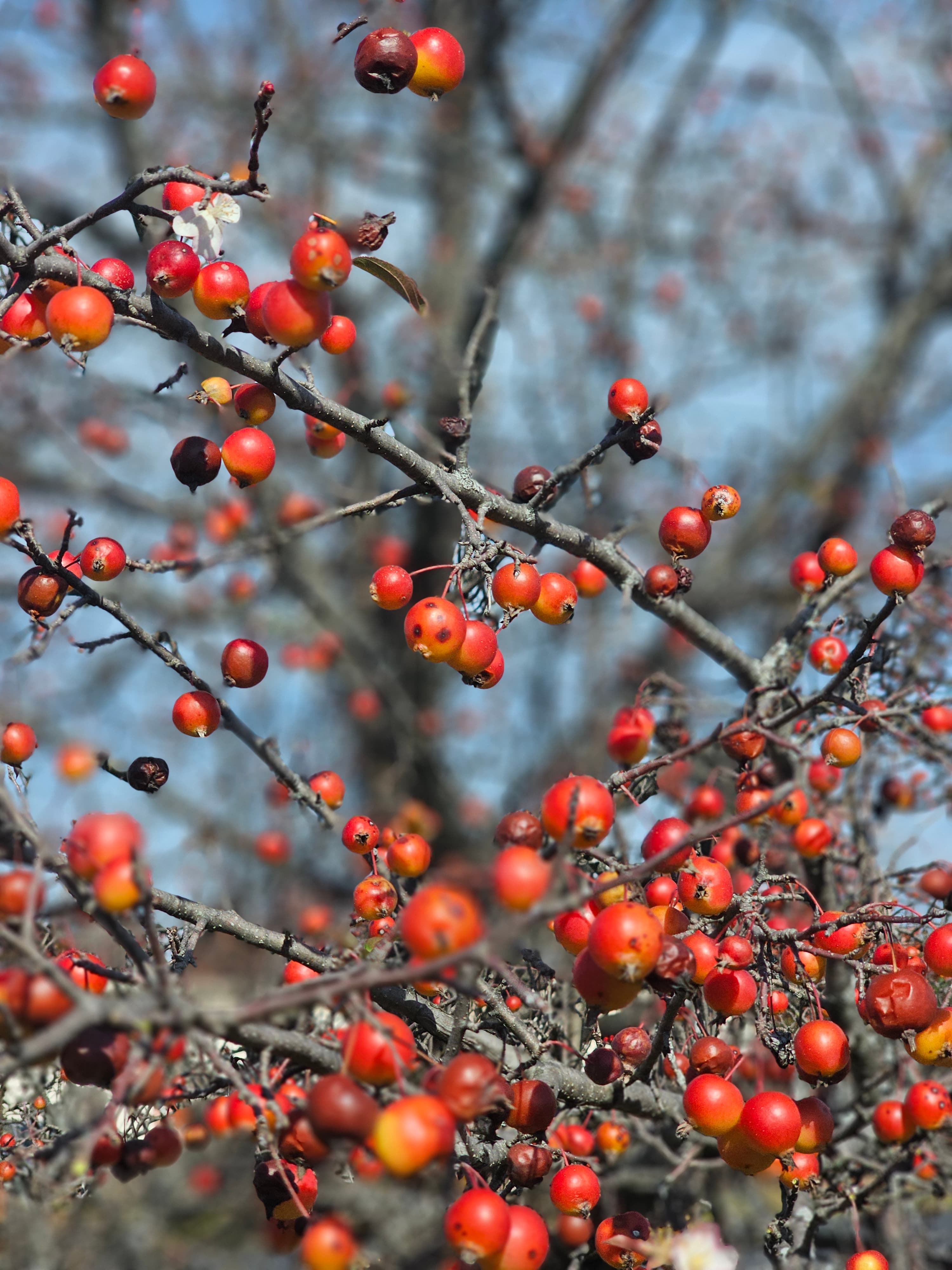
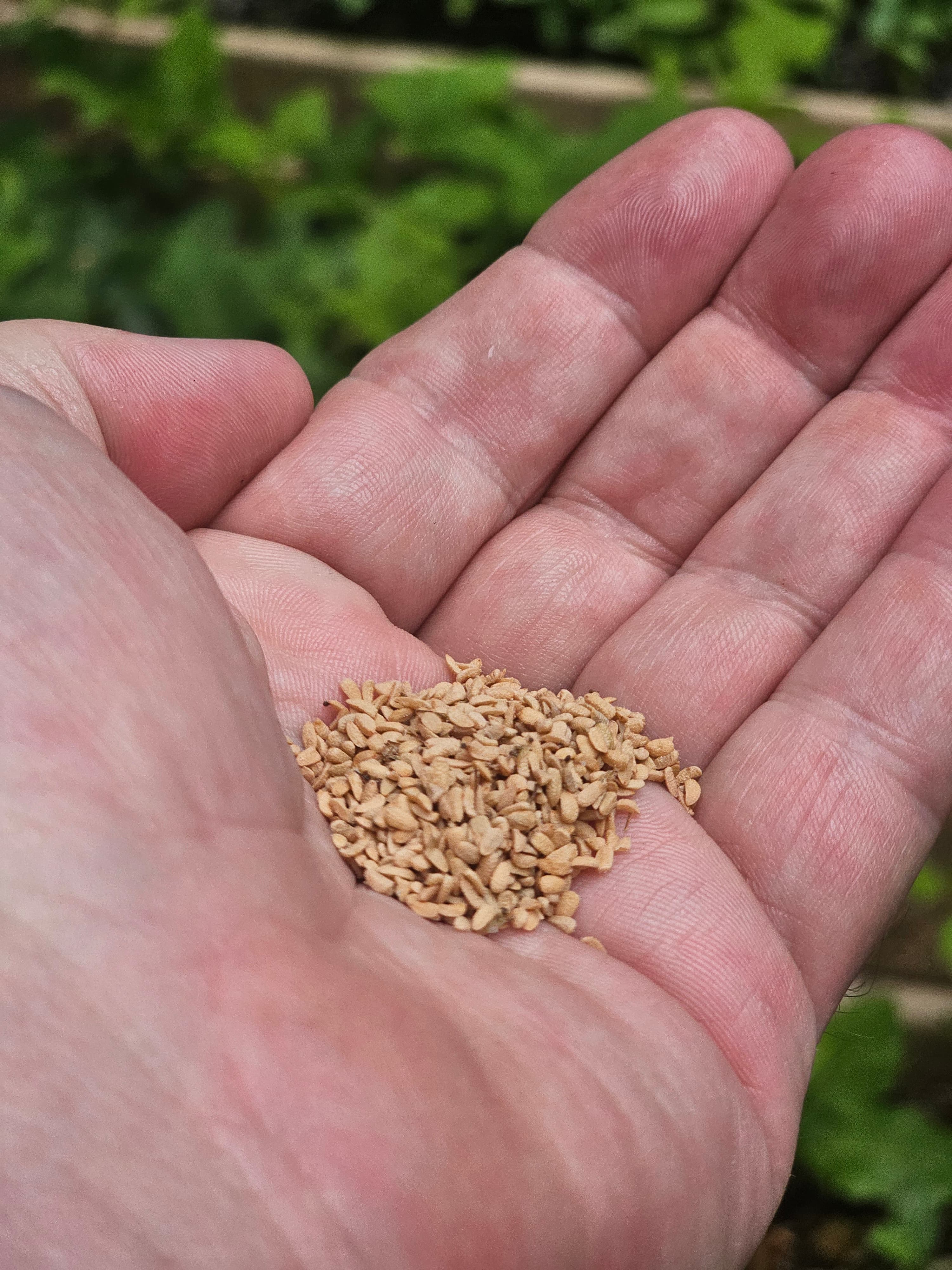
Adams Crabapple is a hardy ornamental crabapple valued for its showy spring blossoms, compact growth habit, and small persistent fruit that provides an important winter food source for birds and wildlife. It is well suited for wildlife hedgerows, homestead landscapes, and natural habitat plantings. This cold-tolerant cultivar performs well throughout Pennsylvania and the Northeast. In spring, its flowers provide nectar for pollinators, while the small fruits that follow support birds and small mammals through late fall and winter. Once established, Adams Crabapple adapts to a wide range of soil conditions. It can be planted as a specimen tree or used in groups for hedgerows, windbreaks, habitat restoration, and living fence lines. Seed Pack Options 25 Seeds 100 Seeds Planting Notes Crabapple seeds typically benefit from cold moist stratification for 60–90 days before planting. Seeds may be stratified in a refrigerator or sown outdoors in fall or winter to allow natural stratification.

2 available

2 options

American Cranberrybush (Viburnum trilobum) Seeds

Seeds

American Cranberrybush (Viburnum trilobum) Seeds

Viburnum trilobum

$5

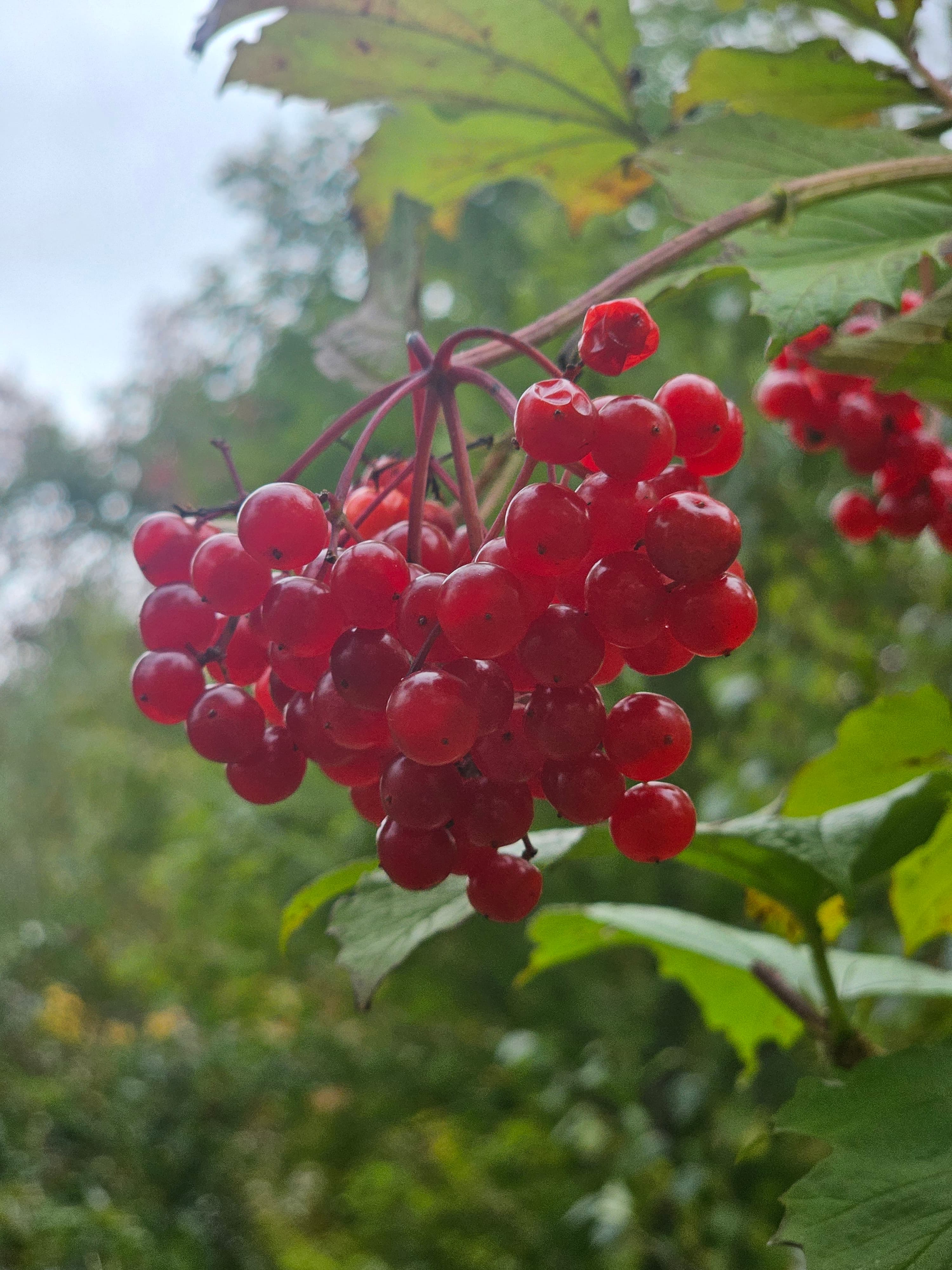
American Cranberrybush is a hardy native shrub known for its showy spring flowers, bright red fall berries, and outstanding wildlife value. This adaptable species grows throughout the northern United States and Canada and performs well in Pennsylvania and the broader Northeast. In late spring, clusters of white lace-cap flowers attract pollinators and beneficial insects. By late summer and fall, the plant produces abundant red berries that persist into winter and provide an important food source for birds and wildlife. American Cranberrybush is well suited for wildlife hedgerows, natural screens, habitat plantings, and restoration projects. Its dense branching structure offers excellent cover for birds, while its seasonal flowers, fruit, and fall foliage provide multi-season interest in the landscape. Once established, this shrub tolerates a wide range of soils and moisture conditions and can grow in full sun to partial shade. Seed Pack Options: 25 Seeds 100 Seeds Plant Characteristics: Botanical Name: Viburnum trilobum Plant Type: Deciduous native shrub Mature Height: 8 feet Sun: Full sun to partial shade Soil: Adaptable; prefers moist, well-drained soils Wildlife Value: High berries support birds and small mammals Planting Notes: American Cranberrybush seeds typically benefit from warm and cold stratification to break dormancy. Seeds may be sown outdoors in fall or winter to allow natural stratification, or prepared using a refrigerator stratification method before spring planting. Uneven or delayed germination is common for native woody plants and may occur over multiple growing seasons.

4 available

2 options

American Holly (Ilex opaca) Seeds

Seeds

American Holly (Ilex opaca) Seeds

Ilex opaca

$5

American Holly is a classic evergreen tree of eastern forests, recognized for its glossy dark-green leaves and bright red winter berries. This native species provides excellent year-round structure in the landscape while offering valuable food and shelter for birds and wildlife. In spring, American Holly produces small white flowers that attract pollinators and beneficial insects. Female trees later develop clusters of bright red berries that persist through winter, providing an important food source for birds when other resources are scarce. American Holly grows naturally throughout the eastern United States and performs well in Pennsylvania and the broader Northeast. It is commonly used in wildlife plantings, native hedgerows, windbreaks, and woodland restoration projects. Its dense evergreen foliage also provides year-round cover for birds and small mammals. Once established, American Holly is long-lived and adaptable to a range of soil conditions, growing best in well-drained soils with full sun to partial shade. Seed Pack Options: 25 Seeds 100 Seeds Plant Characteristics: Botanical Name: Ilex opaca Plant Type: Evergreen native tree Mature Height: 3050 feet Sun: Full sun to partial shade Soil: Well-drained, slightly acidic soils preferred Wildlife Value: High berries support birds through winter Planting Notes: American Holly seeds naturally experience warm and cold stratification before germination. Seeds are often best sown outdoors in fall or winter to allow natural seasonal cycles to break dormancy. Germination may occur the following spring or the second growing season, which is normal for many native woody plants. Because American Holly is dioecious, separate male and female trees are required for berry production.

3 available

2 options

Black Gum Tree / Tupelo – Bareroot (Pre-Order)

Plants

Black Gum Tree / Tupelo – Bareroot (Pre-Order)

Pre-Order

$8

Black Gum, also known as Tupelo or Black Tupelo, is a long-lived native hardwood valued for its exceptional wildlife value, brilliant fall color, and adaptability across eastern forests. This species is widely respected by foresters, beekeepers, and native plant growers for its ecological importance. In spring, small greenish-white flowers provide nectar for pollinators, particularly bees. Tupelo honey produced from these blooms is highly prized. Later in the season, the tree produces dark blue fruits that are eaten by birds, deer, and other wildlife. Black Gum grows naturally across the eastern United States and performs well throughout Pennsylvania and the broader Northeast. It thrives in moist soils but is adaptable to a range of conditions once established. This species is an excellent choice for wildlife plantings, native restoration projects, riparian areas, and long-term landscape trees. Mature trees develop strong structure and can live for many decades. Plant Type: Bareroot tree shipped dormant during the planting season. Pre-Order Information: This item is offered as a seasonal pre-order. Trees ship while dormant to ensure safe handling and successful transplanting. 2026 Spring Shipping Window: No stock! 2026 Fall Shipping Window: Late October Early December 2027 Spring Shipping Window: Late March Mid April Orders ship when trees are fully dormant and ready for planting. Plant Characteristics: Botanical Name: Nyssa sylvatica Common Names: Black Gum, Black Tupelo Plant Type: Deciduous native tree Mature Height: 3060 feet Sun: Full sun to partial shade Soil: Moist, well-drained soils preferred Wildlife Value: High fruit supports birds and mammals

20 available

2 options

Black Walnut (Juglans nigra) – Bareroot (Pre-Order)

Plants

Black Walnut (Juglans nigra) – Bareroot (Pre-Order)

Juglans nigra

$7

Black Walnut (Juglans nigra) is a fast-growing native hardwood valued for its rich, flavorful nuts, exceptional timber, and long-term wildlife value. Native to Pennsylvania and the eastern United States, black walnut trees are well adapted to a wide range of conditions and are known for their strength, longevity, and productivity. These trees thrive in full sun and deep, well-drained soils. Once established, they grow into large canopy trees that produce heavy nut crops, providing an important food source for squirrels, deer, and other wildlife. In addition to their ecological value, black walnut trees are highly sought after for their premium hardwood, making them a strong long-term investment for landowners. Black Walnut is an excellent choice for homesteads, large properties, agroforestry systems, and legacy plantings where long-term growth and value are the goal. 🌱 Plant Type: Bare root tree, shipped dormant during the appropriate planting seasons. Seedlings are typically 1–2 years old with well-developed root systems. 📦 Pre-Order & Availability: This item is offered as a seasonal pre-order to ensure trees are shipped at the correct time for successful transplanting. Current Availability: ❌ Spring 2026: Sold Out / No Stock 🍂 Fall 2026: Shipping Late October – Early December 🌱 Spring 2027: Shipping Late March – Mid April Orders ship only when trees are fully dormant and ready for planting.

20 available

Black Walnut (Juglans nigra) – Bareroot (Pre-Order) - $7

Catalpa Tree (18” Starter Tree – Trade Pot) - $12

Plants

Catalpa Tree (18” Starter Tree – Trade Pot) - $12

18” Starter Tree – Trade Pot

$12

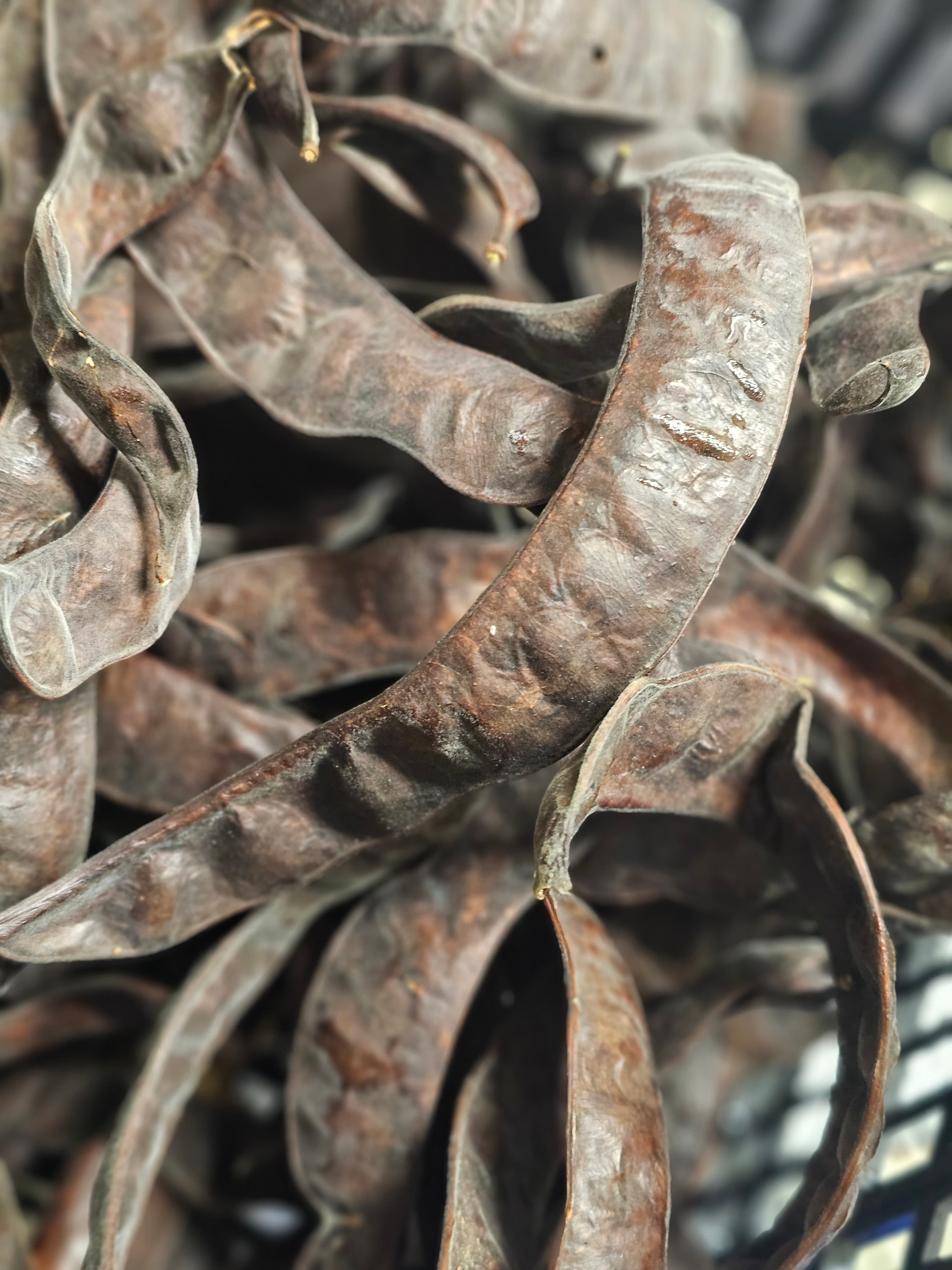
Catalpa (likely Northern Catalpa) is a fast-growing, hardy tree known for its large heart-shaped leaves and long, bean-like seed pods. These starter trees are approximately 18 inches tall and established in trade pots, making them a great choice for shade, property edges, or naturalized planting. Grown from seed, these trees may show natural variation and are selected for strong growth and adaptability. • Mature Height: 40–70 ft • Sun: Full sun to partial shade • Growth Rate: Fast • Soil Tolerance: Adaptable to a wide range of soils • Unique Feature: Long seed pods and large tropical-looking leaves • Wildlife Value: Provides habitat and cover Grown locally by Base Camp North in Effort, PA. Limited quantity available. Local pickup in Effort, PA.

36 available

Regular

Clematis Virginiana (Virgin’s Bower) Seeds

Seeds

Clematis Virginiana (Virgin’s Bower) Seeds

Virgin’s Bower

$5

Clematis virginiana, commonly known as Virgins Bower, is a vigorous native flowering vine found throughout eastern North America. This fast-growing climber is valued for its fragrant late-summer flowers and its ability to quickly cover fences, trellises, and woodland edges. In mid to late summer, the vine produces clusters of small white flowers that attract pollinators and beneficial insects. After flowering, distinctive feathery seed heads form, giving the plant ornamental interest well into fall. Virgins Bower grows naturally along forest edges, stream banks, and hedgerows, making it well suited for wildlife gardens and native habitat plantings. Once established, the vine climbs easily over shrubs, fences, and natural supports, creating dense cover that benefits birds and other wildlife. This adaptable native vine thrives in full sun to partial shade and tolerates a variety of soil conditions. Seed Pack Options: 25 Seeds 100 Seeds Plant Characteristics: Botanical Name: Clematis virginiana Plant Type: Native perennial vine Mature Length: 1520 feet Sun: Full sun to partial shade Soil: Adaptable; prefers moist, well-drained soil Wildlife Value: Moderate supports pollinators and provides cover Planting Notes: Clematis virginiana seeds may benefit from a cold stratification period of 3060 days to improve germination. Seeds can be sown outdoors in fall or winter to allow natural stratification, or prepared using refrigerator stratification before spring planting. Germination timing may vary depending on environmental conditions.

3 available

2 options

Crabapple Seeds (3 Varieties - 75 seed total) – Wildlife Trees, Deer Food Plot, Cold Hardy

Plants

Crabapple Seeds (3 Varieties - 75 seed total) – Wildlife Trees, Deer Food Plot, Cold Hardy

3 Varieties - 75 seed total

$14.99

This seed pack includes 75 cold-hardy crabapple seeds (25 each) from three different varieties, ideal for creating wildlife-friendly landscapes or planting in deer food plots. Crabapples are known for their spring blossoms, persistent small fruits, and adaptability to a range of soil conditions. These trees provide valuable food for birds and other wildlife, especially during fall and winter. Suitable for naturalized plantings, hedgerows, or habitat restoration.

5 available

Regular

Crabapple Tree Seeds (3 Varieties) – Wildlife Trees, Cold Hardy, Pollinator Friendly

Plants

Crabapple Tree Seeds (3 Varieties) – Wildlife Trees, Cold Hardy, Pollinator Friendly

3 Varieties

$14.99

This collection of crabapple tree seeds includes three distinct varieties, each selected for their cold-hardiness, wildlife value, and pollinator-friendly attributes. Crabapple trees are celebrated for their vibrant spring blossoms, persistent small fruits, and adaptability to diverse climates and soil types. These seeds are ideal for creating naturalized landscapes, wildlife hedgerows, or pollinator gardens, providing year-round habitat and food for birds, bees, and other beneficial species. You will receive multiple crabapple varieties (25 Each), selected from hardy, well-performing cultivars such as: Prairifire Crabapple Donald Wyman Crabapple Adams Crabapple The trees' fruits ripen in the fall and often remain through winter, offering an essential food source for wildlife during colder months. Perfect for gardeners, conservation projects, or habitat restoration, these crabapple varieties bring ornamental beauty and ecological benefits to any outdoor space. For optimal germination, seeds should undergo cold moist stratification for 60–90 days before planting.

5 available

Regular

Dogwood (Cornus florida, white & pink) Seeds

Seeds

Dogwood (Cornus florida, white & pink) Seeds

Cornus florida, white & pink

$5

Flowering Dogwood is one of the most iconic native trees of eastern North America, prized for its beautiful spring blossoms, vibrant fall color, and exceptional wildlife value. This small understory tree produces showy white or pink bracts in early spring, making it a standout feature in woodland gardens and natural landscapes. In addition to its ornamental beauty, Dogwood plays an important ecological role. In late summer and fall, the tree produces clusters of bright red berries that provide an important food source for birds and other wildlife. Flowering Dogwood grows naturally along forest edges and woodland understories throughout the eastern United States and performs well in Pennsylvania and the broader Northeast. Its moderate size and graceful branching make it ideal for wildlife gardens, woodland restoration projects, and native landscaping. Once established, Dogwood provides multi-season interest with spring flowers, summer foliage, fall berries, and striking autumn color. Seed Pack Options: 25 Seeds 100 Seeds Plant Characteristics: Botanical Name: Cornus florida Common Name: Flowering Dogwood Plant Type: Native deciduous understory tree Mature Height: 1530 feet Sun: Partial shade to full sun Soil: Well-drained, slightly acidic soils preferred Wildlife Value: High berries support many bird species Planting Notes: Dogwood seeds naturally experience warm and cold stratification before germination. Seeds are often best sown outdoors in fall or winter to allow natural seasonal cycles to break dormancy. Germination may occur the following spring or the second growing season. Uneven germination is normal for many native woody species.

2 available

2 options

Donald Wyman Crabapple Seeds

Seeds

Donald Wyman Crabapple Seeds

See description

$5

Donald Wyman Crabapple is a hardy ornamental crabapple valued for its abundant spring blossoms, disease resistance, and long-lasting fruit that supports birds and wildlife through winter. This well-known cultivar is widely planted in parks, landscapes, and habitat plantings throughout the Northeast. In spring, the tree produces masses of white flowers that attract pollinators and beneficial insects. By fall, clusters of small bright red crabapples develop and often persist into winter, providing an important seasonal food source for birds. Donald Wyman Crabapple is known for its durability and adaptability, performing well in a wide range of soils and growing conditions. It is an excellent choice for wildlife hedgerows, homestead plantings, windbreaks, and naturalized landscapes. Once established, these trees offer multi-season interest with spring flowers, dense summer foliage, colorful fruit, and attractive fall color. Seed Pack Options: 25 Seeds 100 Seeds Plant Characteristics: Botanical Name: Malus Donald Wyman Plant Type: Deciduous ornamental tree Mature Height: 1525 feet Sun: Full sun Soil: Adaptable; prefers well-drained soils Wildlife Value: High fruit provides winter food for birds Planting Notes: Crabapple seeds typically benefit from cold moist stratification for 6090 days before planting. Seeds may be stratified in a refrigerator or sown outdoors in fall or winter to allow natural winter conditions to break dormancy. Seed-grown trees may vary slightly from the parent cultivar, which is normal when propagating ornamental crabapples from seed.

4 available

2 options

Fast Growing Tree Seeds (3 Varieties) – Honey Locust, Catalpa, Sumac

Plants

Fast Growing Tree Seeds (3 Varieties) – Honey Locust, Catalpa, Sumac

3 Varieties

$14.99

Fast-growing trees to create shade, privacy, and improve your land—quickly and affordably. Includes Honey Locust, Catalpa, and Sumac—hardy species selected for rapid growth and tough conditions. Grow your own fast-growing trees and shrubs with this seed mix designed for landowners, homesteaders, and anyone looking to establish shade, privacy, or wildlife habitat. This mix includes species known for their ability to grow quickly and thrive in a wide range of conditions—including poor soils and open land. Includes: 75 seeds Honey Locust – fast-growing, hardy shade tree (Pack of 25) Catalpa – large leaves and rapid growth (Pack of 25) Smooth Sumac – fast-spreading cover for edges and wildlife (Pack of 25) Perfect for: Privacy planting and natural screens Property edges and boundaries Shade tree establishment Wildlife habitat and cover Land restoration and improvemen An affordable way to plant dozens of trees and improve your land over time.

5 available

Regular

Green Giant Arborvitae (Thuja standishii plicata)

Plants

Green Giant Arborvitae (Thuja standishii plicata)

Thuja standishii plicata

$7

Green Giant Arborvitae is one of the fastest-growing and most reliable evergreen trees for privacy screens, windbreaks, and landscape plantings. This hybrid arborvitae combines the strength and vigor of two species, producing a hardy tree that grows quickly while maintaining dense, year-round foliage. Known for its rapid growth and durability, Green Giant Arborvitae performs well across a wide range of soil conditions and climates, including Pennsylvania and the broader Northeast. Once established, these trees can grow several feet per year, forming tall, dense living walls that provide privacy and wind protection. Green Giant Arborvitae is commonly planted along property lines, driveways, and field edges to create natural screens and shelterbelts. Its rich green foliage remains attractive throughout the year and requires minimal maintenance once established. Plant Details: Botanical Name: Thuja standishii plicata Common Name: Green Giant Arborvitae Plant Type: Evergreen tree Current Size: 2-year-old tree grown in a #1 trade pot Mature Height: 40-60 feet Mature Width: 12-18 feet Sun: Full sun to partial shade Soil: Adaptable; prefers well-drained soil Planting Notes: Green Giant Arborvitae grows best in full sun with well-drained soil. Once established, it is drought tolerant and requires minimal pruning. For privacy screens, trees are typically spaced 58 feet apart depending on the desired density.

126 available

Green Giant Arborvitae (Thuja standishii plicata) Potted

Hawthorn (Crataegus spp.) Seeds

Seeds

Hawthorn (Crataegus spp.) Seeds

Crataegus spp.

$5

Hawthorn is a hardy native small tree or large shrub valued for its exceptional wildlife benefits, dense branching structure, and seasonal beauty. Found throughout eastern North America, hawthorn plays an important ecological role in hedgerows, woodland edges, and natural landscapes. In spring, hawthorn trees produce clusters of white flowers that attract pollinators and beneficial insects. By late summer and fall, the trees develop small red fruits known as haws, which provide an important food source for birds, deer, and other wildlife well into winter. Hawthorns naturally thorny branches create dense protective cover, making it an excellent species for wildlife habitat plantings and natural hedgerows. It is commonly used in conservation plantings, homesteads, and restoration projects where durable native species are desired. Once established, hawthorn trees are adaptable to a wide range of soils and growing conditions and are well suited to Pennsylvania and the broader Northeast. Seed Pack Options: 25 Seeds 100 Seeds Plant Characteristics: Botanical Name: Crataegus spp. Plant Type: Native small tree or large shrub Mature Height: 1530 feet Sun: Full sun to partial shade Soil: Adaptable; tolerates a wide range of soils Wildlife Value: Very high fruit supports many bird species Planting Notes: Hawthorn seeds typically require warm and cold stratification to break dormancy. Seeds are often best sown outdoors in fall or winter to allow natural seasonal cycles to occur. Germination may take place the following spring or the second growing season. Uneven or delayed germination is common for many native woody species.

2 available

2 options

Honey Locust Tree (18” Starter Tree – Trade Pot) - $12

Plants

Honey Locust Tree (18” Starter Tree – Trade Pot) - $12

18” Starter Tree – Trade Pot

$12

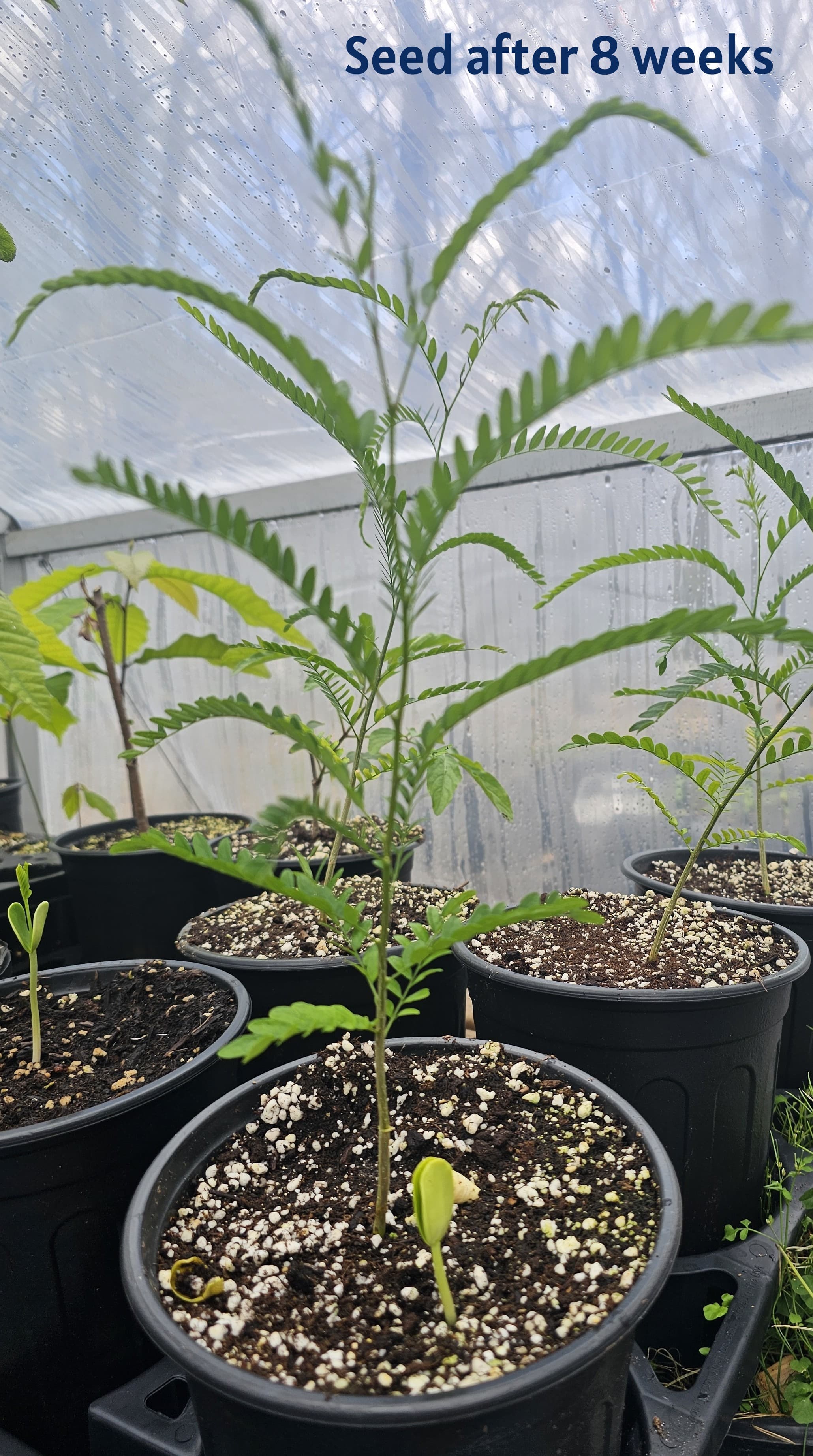
Honey Locust (Gleditsia triacanthos) is a fast-growing, highly adaptable tree known for its toughness and ability to thrive in poor soils and challenging conditions. These starter trees are approximately 18 inches tall and established in trade pots, making them a great option for property edges, windbreaks, or wildlife habitat. Grown from seed, these trees may develop natural characteristics including thorns and variation in form. • Mature Height: 30–70 ft • Sun: Full sun • Growth Rate: Fast • Soil Tolerance: Highly adaptable (poor, compacted, or dry soils) • Wildlife Value: Provides habitat and cover Grown locally by Base Camp North in Effort, PA. Limited quantity available. Local pickup in Effort, PA.

3 available

Regular

Native Hedgerow Pack – Starter

Plants

Native Hedgerow Pack – Starter

See description

$15

Create a living hedgerow that supports wildlife, improves habitat, and adds year-round interest to your landscape with the Native Hedgerow Pack – Starter. This curated seed collection includes hardy native shrubs and small trees selected for their ecological value, seasonal food production, and adaptability throughout Pennsylvania and the broader Northeast. Ideal for home gardeners, small habitat projects, and native landscaping, this starter pack allows you to establish a diverse mix of species that naturally grow together to form wildlife-friendly hedgerows and natural borders. Species Included - (25 seeds of each species): • American Cranberrybush (Viburnum trilobum) • Winterberry (Ilex verticillata) • Hawthorn (Crataegus spp.) • Sumac (Rhus species – smooth or staghorn) Total Seeds: 100 Why Plant a Native Hedgerow? • Provides food and shelter for birds and wildlife • Supports native pollinators and beneficial insects • Creates natural borders, privacy screens, and windbreaks • Adds multi-season interest with flowers, berries, and fall color Native hedgerows are one of the most effective ways to restore habitat while creating beautiful, resilient landscapes. Planting Notes: Many native trees and shrubs require cold stratification before germination. Seeds may be sown outdoors in fall or winter to allow natural seasonal cycles to break dormancy. Basic stratification guidance is included to help you get started.

2 available

Regular

Northern Red Oak (Quercus rubra) – Bareroot (Pre-Order)

Plants

Northern Red Oak (Quercus rubra) – Bareroot (Pre-Order)

Quercus rubra

$10

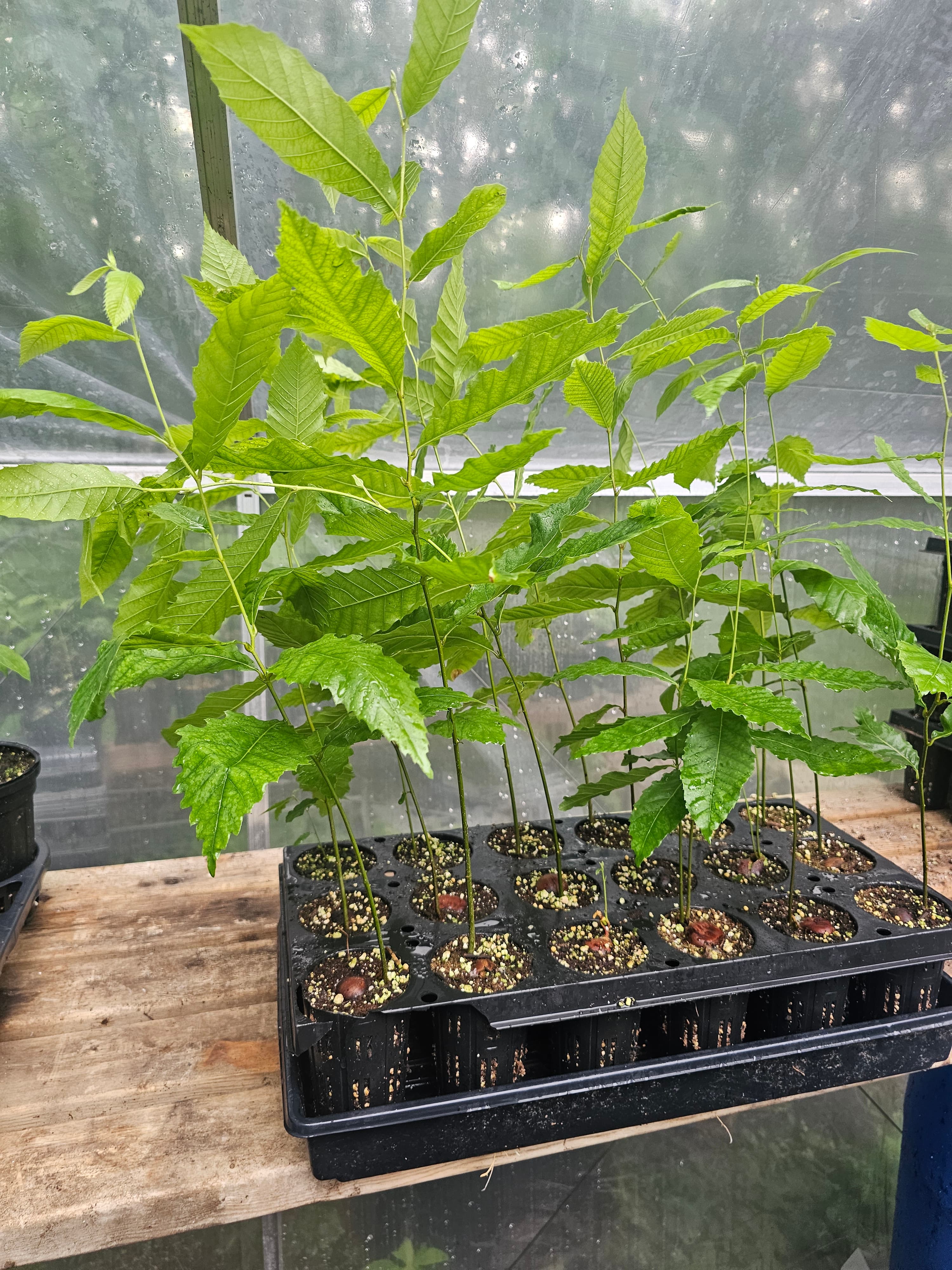
Northern Red Oak is one of the most important native hardwood trees of eastern North America. Known for its rapid growth, strong timber, and exceptional wildlife value, Red Oak has long been a cornerstone species in forests, conservation plantings, and homestead landscapes. This large native tree produces abundant acorns that provide a critical food source for deer, turkey, squirrels, and many other wildlife species. The acorns typically mature in the second growing season and are widely consumed throughout fall and winter. Red Oak grows naturally throughout the eastern United States and thrives in Pennsylvania and the broader Northeast. It adapts well to a variety of soils and is valued for its durability, shade, and long lifespan. In autumn, the tree develops striking red to reddish-brown foliage, making it one of the most recognizable native shade trees in North American landscapes. Choose Your Growing Method: 🌱 Tray-Grown (RediRoot) – Starter Trees Dense, fibrous root plugs Easy to plant and transplant 🌳 Air Prune Bed Grown – Field Trees Larger, more developed seedlings 🌱 Plant Type: Bare root tree, shipped dormant during the appropriate planting seasons. Seedlings are typically 1–2 years old with well-developed root systems. Current Availability: ❌ Spring 2026: Sold Out / No Stock 🍂 Fall 2026: Shipping Late October – Early December 🌱 Spring 2027: Shipping Late March – Mid April Orders ship only when trees are fully dormant and ready for planting. Plant Characteristics: Botanical Name: Quercus rubra Common Name: Northern Red Oak Plant Type: Native deciduous hardwood tree Mature Height: 60-75 feet Sun: Full sun to partial shade Soil: Adaptable; prefers well-drained soils Wildlife Value: Very high acorns support many wildlife species

160 available

2 options

Pawpaw (Asimina triloba) – Bareroot (Pre-Order)

Plants

Pawpaw (Asimina triloba) – Bareroot (Pre-Order)

Asimina triloba

$8

Pawpaw is a unique native fruit tree known for producing the largest edible fruit native to North America. The soft, custard-like fruit has a rich tropical flavor often compared to banana, mango, or vanilla, making pawpaw a favorite among foragers, gardeners, and homesteaders. This understory tree grows naturally throughout eastern forests and performs well in Pennsylvania and the broader Northeast. In spring, pawpaw trees produce distinctive maroon flowers that are pollinated primarily by flies and beetles. By late summer or early fall, the trees develop clusters of green fruit that ripen into sweet, fragrant pawpaws. Pawpaw trees also play an important ecological role. Their leaves serve as the host plant for the Zebra Swallowtail butterfly, making them valuable additions to wildlife gardens and native habitat plantings. Once established, pawpaw trees form attractive small trees that are well suited for food forests, homestead orchards, woodland gardens, and native landscaping. Plant Type: Bareroot tree shipped dormant during the planting season. Pre-Order Information: This item is offered as a seasonal pre-order. Trees ship while dormant to ensure safe handling and successful transplanting. 2026 Spring Shipping Window: No stock! 2026 Fall Shipping Window: Late October Early December 2027 Spring Shipping Window: Late March Mid April Orders are shipped when trees are fully dormant and ready for planting. Plant Characteristics: Botanical Name: Asimina triloba Plant Type: Native deciduous fruit tree Mature Height: 1530 feet Sun: Full sun to partial shade (young trees prefer some shade) Soil: Moist, well-drained soils preferred Wildlife Value: Host plant for Zebra Swallowtail butterfly Planting Notes: Pawpaw trees grow best in moist, fertile soils and benefit from some protection from intense sun during their first few years. For reliable fruit production, plant at least two genetically different trees to allow cross-pollination.

20 available

Pawpaw (Asimina triloba) Bareroot (Pre-Order) - $8

Pin Oak (Quercus palustris) – Bare Root (Pre-Order)

Plants

Pin Oak (Quercus palustris) – Bare Root (Pre-Order)

Quercus palustris

$10

Pin Oak is a fast-growing native oak valued for its strong wildlife benefits, adaptability to wetter soils, and classic straight growth form. Native to the eastern United States, including Pennsylvania, this species is commonly found in lowlands, floodplains, and areas with heavier soils. Pin Oak produces small acorns that serve as an important food source for deer, ducks, turkey, and other wildlife. Its branching structure creates excellent cover and nesting habitat, making it a strong choice for both wildlife plantings and landscape use. This species is known for its tolerance of poorly drained soils and urban conditions, making it one of the more adaptable oaks for challenging sites. In fall, Pin Oak displays attractive red to bronze foliage, adding seasonal value to the landscape. Pin Oak is an excellent choice for wildlife habitat, reforestation, riparian areas, and large-scale planting projects. Choose Your Growing Method: 🌱 Tray-Grown (RediRoot) – Starter Trees Dense, fibrous root plugs Easy to plant and transplant 🌳 Air Prune Bed Grown – Field Trees Larger, more developed seedlings 🌱 Plant Type: Bare root tree, shipped dormant during the appropriate planting seasons. Seedlings are typically 1–2 years old with well-developed root systems. 📦 Pre-Order & Availability: This item is offered as a seasonal pre-order to ensure trees are shipped at the correct time for successful transplanting. Current Availability: ❌ Spring 2026: Sold Out / No Stock 🍂 Fall 2026: Shipping Late October – Early December 🌱 Spring 2027: Shipping Late March – Mid April Orders ship only when trees are fully dormant and ready for planting. 🌿 Plant Characteristics: Botanical Name: Quercus palustris Common Names: Pin Oak Plant Type: Deciduous native tree Mature Height: 50–70 feet Sun: Full sun Soil: Prefers moist, acidic soils; tolerates poorly drained areas Wildlife Value: High; acorns support birds, deer, and other wildlife

90 available

6 options

Prairifire Crabapple (Malus ‘Prairifire’) – Seeds

Seeds

Prairifire Crabapple (Malus ‘Prairifire’) – Seeds

Malus ‘Prairifire’

$5

Prairifire Crabapple is a hardy ornamental crabapple valued for its vibrant spring blossoms, colorful fruit, and strong disease resistance. This popular landscape tree is widely planted across the United States and performs well in Pennsylvania and the broader Northeast. In spring, Prairifire Crabapple produces abundant deep pink to red blossoms that attract pollinators and beneficial insects. As the season progresses, small dark red crabapples develop and often persist into winter, providing an important food source for birds and wildlife. Prairifire is known for its adaptability and ornamental value, offering multiple seasons of interest with spring flowers, glossy summer foliage, colorful fruit, and attractive fall color. This versatile tree is well suited for wildlife hedgerows, homestead landscapes, pollinator gardens, and naturalized plantings. Seed Pack Options: 25 Seeds 100 Seeds Plant Characteristics: Botanical Name: Malus Prairifire Plant Type: Deciduous ornamental tree Mature Height: 1525 feet Sun: Full sun Soil: Adaptable; prefers well-drained soils Wildlife Value: High fruit supports birds through winter Planting Notes: Crabapple seeds typically benefit from cold moist stratification for 6090 days before planting. Seeds may be stratified in a refrigerator or sown outdoors in fall or winter to allow natural winter conditions to break dormancy. Seed-grown trees may vary slightly from the parent cultivar, which is normal when growing ornamental crabapples from seed.

3 available

2 options

Prairifire Crabapple Tree – 18” Live Plant - $12

Plants

Prairifire Crabapple Tree – 18” Live Plant - $12

See description

$8

Prairifire-type crabapple trees are hardy, ornamental trees known for vibrant spring blooms and small fruit that supports birds and wildlife. These starter trees are approximately 18 inches tall and well-established, making them a great choice for backyard planting, landscaping, or starting a small orchard. Grown from seed collected from Prairifire crabapple. Seed-grown trees may show some variation but are selected for strong growth and ornamental value. • Mature Height: 15–20 ft • Sun: Full sun • Growth Rate: Moderate • Wildlife Value: Excellent for birds and pollinators • Cold Hardy: Well-suited for PA climates Grown locally by Base Camp North in Effort, PA. Limited quantity available. Local pickup in Effort, PA.

2 available

Regular

Smooth Sumac (Rhus glabra) Seeds

Seeds

Smooth Sumac (Rhus glabra) Seeds

Rhus glabra

$5

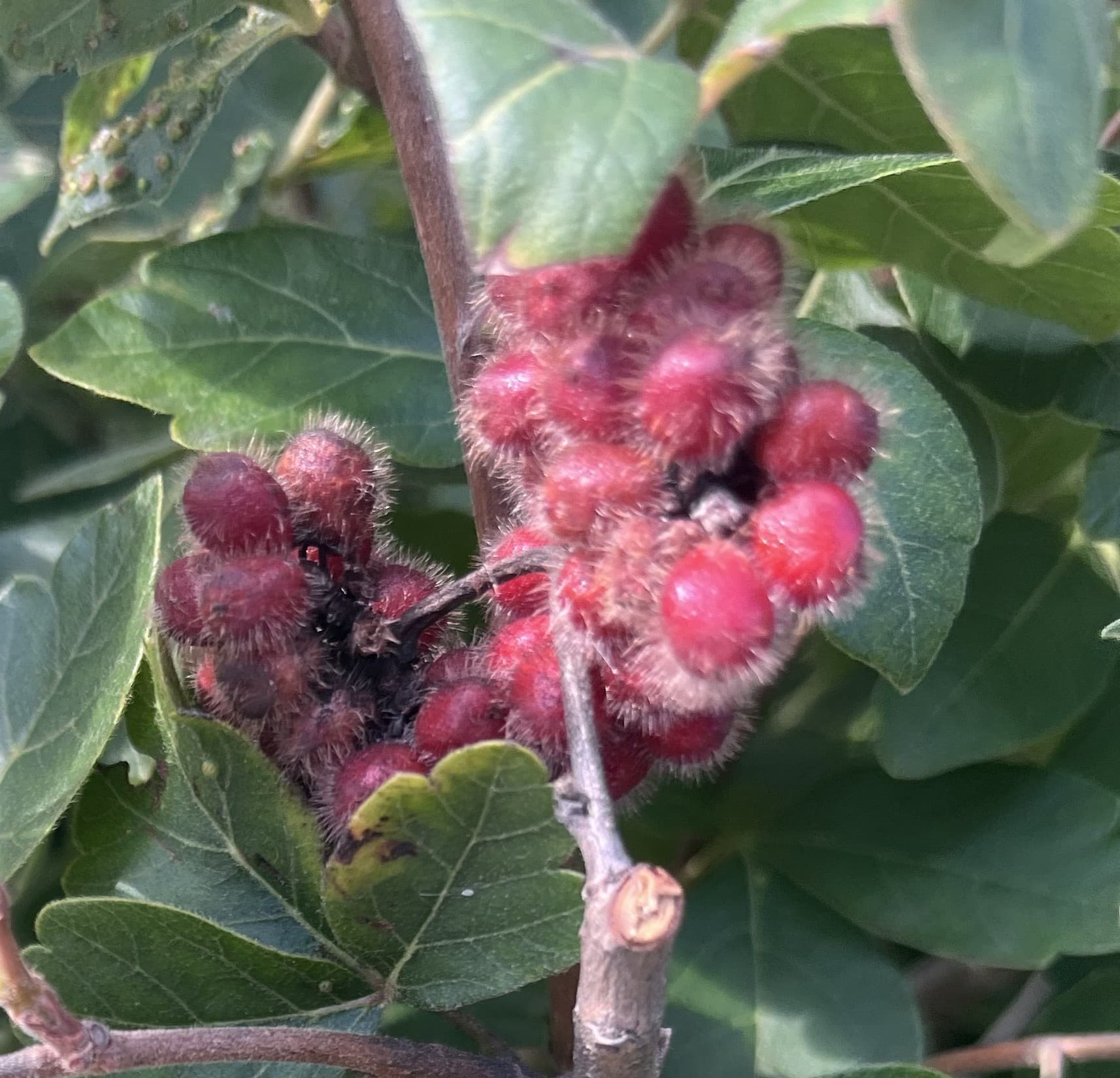
Smooth Sumac is a hardy native shrub known for its brilliant fall color, distinctive red fruit clusters, and exceptional value for wildlife habitat. This adaptable species grows naturally across much of North America and thrives in Pennsylvania and the broader Northeast. In summer, Smooth Sumac produces upright clusters of small greenish flowers that attract pollinators and beneficial insects. By late summer and fall, the plant develops dense cones of bright red berries that persist into winter and provide an important food source for birds and other wildlife. Smooth Sumac spreads naturally to form dense colonies, creating excellent cover for birds and small animals. Its ability to grow in poor soils and disturbed areas makes it a valuable species for conservation plantings, habitat restoration, and natural hedgerows. Once established, Smooth Sumac is extremely resilient and drought tolerant, thriving in full sun and a wide range of soil conditions. Seed Pack Options: 25 Seeds 100 Seeds Plant Characteristics: Botanical Name: Rhus glabra Plant Type: Native deciduous shrub Mature Height: 10-15 feet Sun: Full sun Soil: Highly adaptable; tolerates poor or dry soils Wildlife Value: Very high berries support birds through winter Planting Notes: Smooth Sumac seeds typically benefit from scarification followed by cold stratification to improve germination. Seeds may be sown outdoors in fall or winter to allow natural stratification, or prepared using refrigerator stratification before spring planting. As with many native shrubs, germination may occur over multiple seasons.

4 available

2 options

Staghorn Sumac Seeds (Rhus typhina) Seeds

Seeds

Staghorn Sumac Seeds (Rhus typhina) Seeds

Rhus typhina

$5

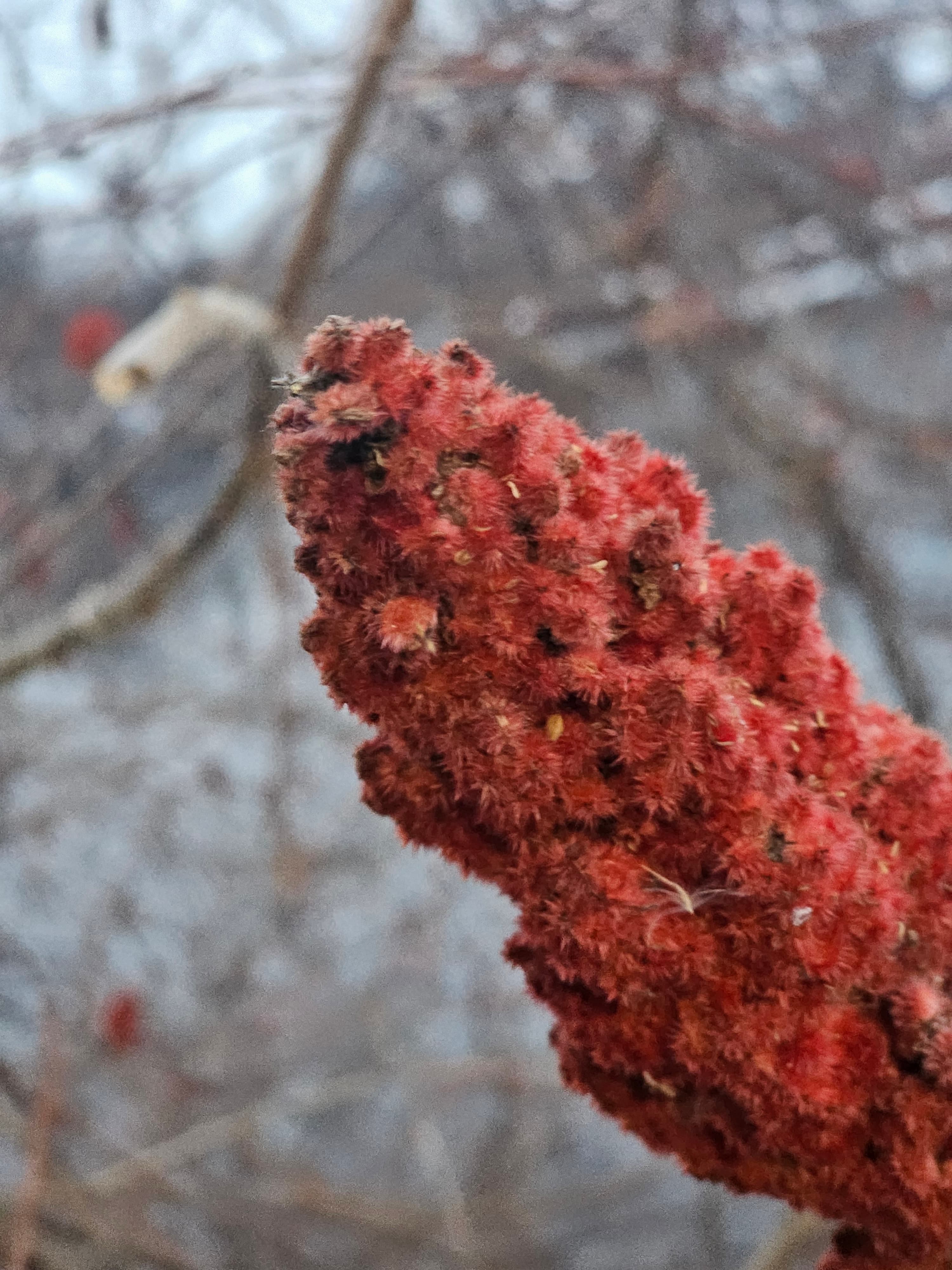
Staghorn Sumac is a striking native shrub or small tree recognized for its velvety branches, dramatic tropical-looking foliage, and brilliant fall color. This hardy species is widely found across eastern North America and grows well throughout Pennsylvania and the broader Northeast. In summer, Staghorn Sumac produces upright clusters of small greenish flowers that attract pollinators and beneficial insects. By late summer and fall, dense cone-shaped clusters of deep red berries form at the tips of the branches. These fruit clusters persist into winter and provide an important food source for birds and wildlife. The name staghorn comes from the soft, fuzzy coating on the young branches, which resemble the texture of deer antlers in velvet. The plant naturally spreads to form colonies, making it an excellent species for wildlife habitat plantings and natural hedgerows. Staghorn Sumac is highly adaptable and thrives in full sun and poor or disturbed soils. Once established, it is drought tolerant and extremely resilient, making it valuable for restoration projects and erosion control. Seed Pack Options: 25 Seeds 100 Seeds Plant Characteristics: Botanical Name: Rhus typhina Plant Type: Native deciduous shrub or small tree Mature Height: 1525 feet Sun: Full sun Soil: Highly adaptable; tolerates dry or poor soils Wildlife Value: Very high berries support birds through winter Planting Notes: Staghorn Sumac seeds typically benefit from scarification followed by cold stratification to improve germination. Seeds may be sown outdoors in fall or winter to allow natural seasonal cycles to break dormancy, or prepared using refrigerator stratification before spring planting. As with many native shrubs, germination may occur over multiple seasons.

10 available

2 options

White Oak (Quercus alba) – Bareroot (Pre-Order)

Plants

White Oak (Quercus alba) – Bareroot (Pre-Order)

Quercus alba

$10

White Oak is one of the most iconic and valuable native hardwood trees of eastern North America. Known for its long lifespan, strong timber, and exceptional wildlife value, White Oak has been a cornerstone species in forests, homesteads, and conservation plantings for centuries. This large native tree produces sweet acorns that are highly preferred by wildlife. Deer, turkey, squirrels, and many other animals rely on White Oak acorns as an important fall food source. Unlike many other oaks, White Oak acorns mature in a single growing season and are often consumed quickly by wildlife. White Oak grows naturally throughout the eastern United States and thrives in Pennsylvania and the broader Northeast. It adapts well to a wide range of soils and becomes a long-lived shade tree capable of supporting forest ecosystems for generations. In addition to its ecological value, White Oak is known for its impressive size, graceful branching structure, and attractive gray bark that becomes deeply ridged with age. Plant Type: Bareroot tree shipped dormant during the planting season. Pre-Order Information: This item is offered as a seasonal pre-order. Trees ship while dormant to ensure safe handling and successful transplanting. 2026 Spring Shipping Window: No stock! 2026 Fall Shipping Window: Late October Early December 2027 Spring Shipping Window: Late March Mid April Orders ship when trees are fully dormant and ready for planting. Plant Characteristics: Botanical Name: Quercus alba Common Name: White Oak Plant Type: Native deciduous hardwood tree Mature Height: 60-80 feet Sun: Full sun to partial shade Soil: Adaptable; prefers well-drained soils Wildlife Value: Extremely high acorns support many wildlife species Planting Notes: White Oak grows best in full sun with well-drained soils. Young trees establish well when planted during the dormant season. Because White Oak is a long-lived species, it is often planted as a legacy tree capable of supporting wildlife and landscapes for generations.

20 available

White Oak (Quercus alba) Bareroot (Pre-Order) - $10

Winterberry (Ilex verticillata) Seeds

Seeds

Winterberry (Ilex verticillata) Seeds

Ilex verticillata

$5

Winterberry is a beautiful native holly shrub known for its brilliant red berries that brighten the landscape through late fall and winter. Unlike evergreen hollies, Winterberry loses its leaves in autumn, leaving behind clusters of vibrant berries that persist well into the colder months. This hardy shrub grows naturally in wetlands, woodland edges, and moist lowland areas throughout eastern North America and performs well in Pennsylvania and the broader Northeast. In spring, Winterberry produces small white flowers that attract pollinators. By fall, female plants develop dense clusters of bright red berries that provide an important food source for birds and wildlife during winter when other foods are scarce. Winterberry is widely used in wildlife habitat plantings, native hedgerows, rain gardens, and natural landscaping. Its striking winter color and ecological benefits make it a valuable addition to conservation plantings and home landscapes. Seed Pack Options: 25 Seeds 100 Seeds Plant Characteristics: Botanical Name: Ilex verticillata Plant Type: Native deciduous shrub Mature Height: 610 feet Sun: Full sun to partial shade Soil: Moist to wet soils preferred Wildlife Value: Very high berries support many bird species Planting Notes: Winterberry seeds typically require warm and cold stratification to break dormancy. Seeds are often best sown outdoors in fall or winter to allow natural seasonal cycles to occur. Germination may occur the following spring or sometimes the second growing season. Because Winterberry is dioecious, separate male and female plants are required for berry production.

10 available

2 options