BCNBase Camp NorthNative nursery and GISCart
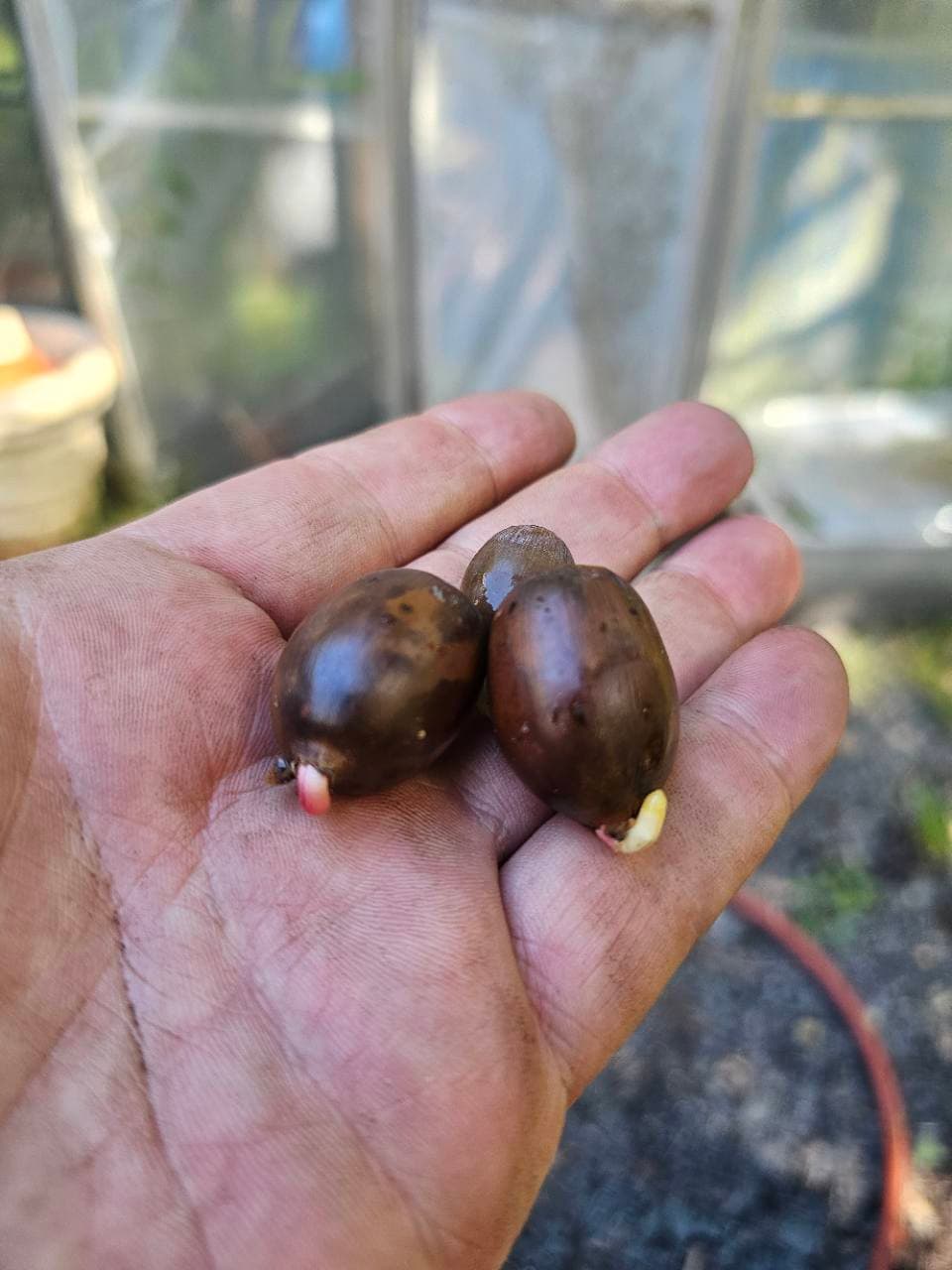
Prairifire Crabapple (Malus ‘Prairifire’) – Seeds

Seeds

Prairifire Crabapple (Malus ‘Prairifire’) – Seeds

Malus ‘Prairifire’

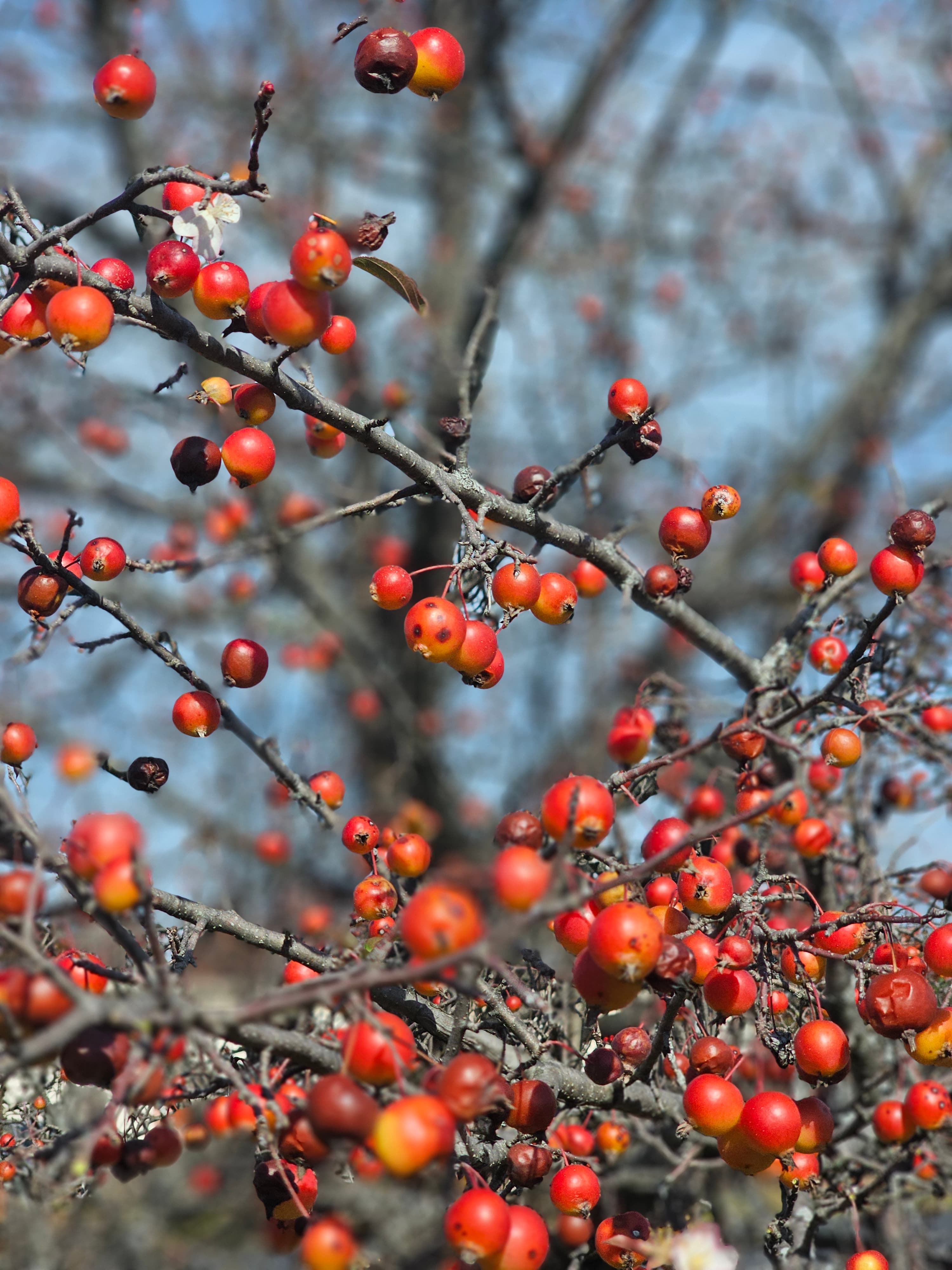
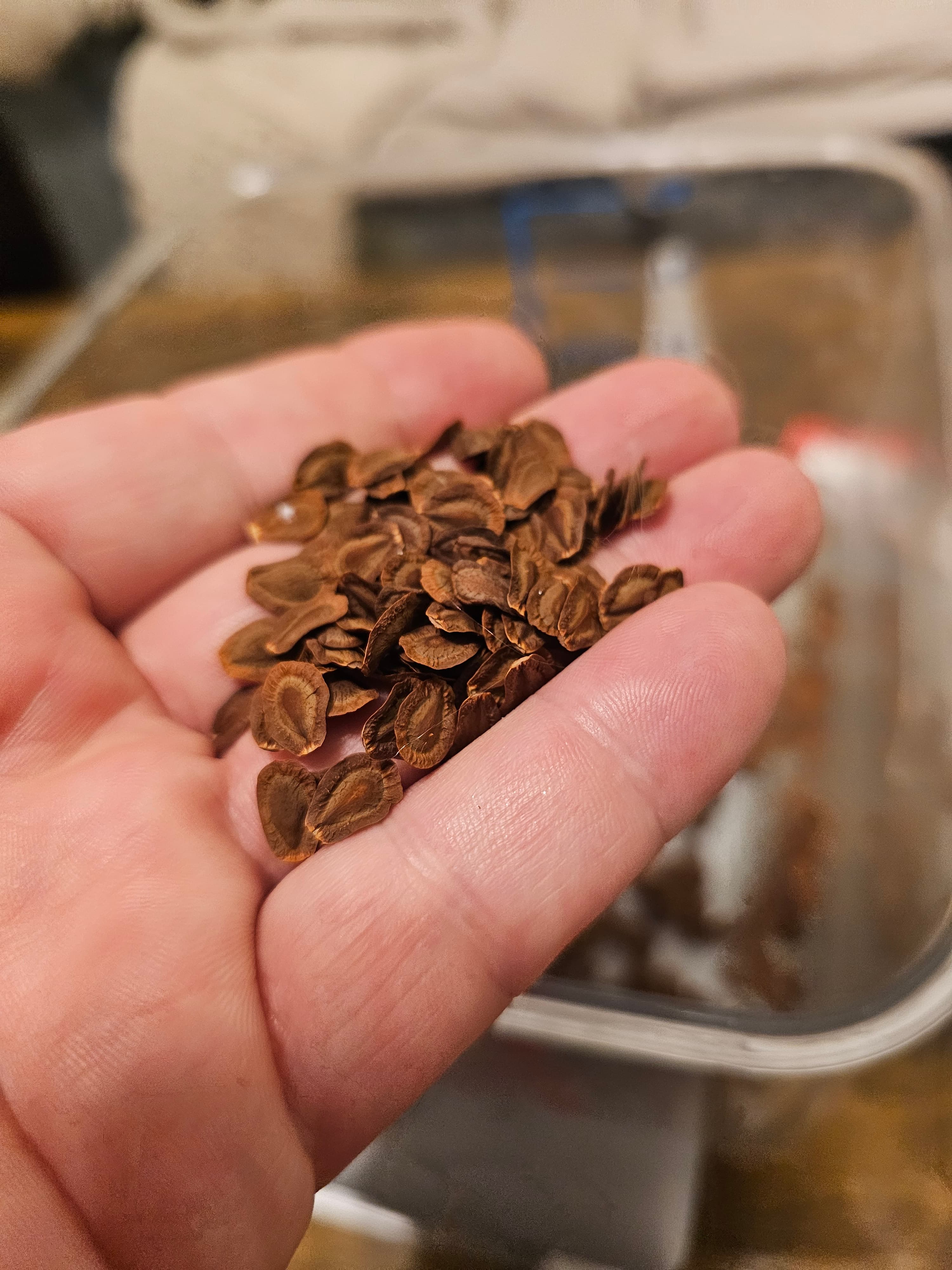
Prairifire Crabapple is a hardy ornamental crabapple valued for its vibrant spring blossoms, colorful fruit, and strong disease resistance. This popular landscape tree is widely planted across the United States and performs well in Pennsylvania and the broader Northeast. In spring, Prairifire Crabapple produces abundant deep pink to red blossoms that attract pollinators and beneficial insects. As the season progresses, small dark red crabapples develop and often persist into winter, providing an important food source for birds and wildlife. Prairifire is known for its adaptability and ornamental value, offering multiple seasons of interest with spring flowers, glossy summer foliage, colorful fruit, and attractive fall color. This versatile tree is well suited for wildlife hedgerows, homestead landscapes, pollinator gardens, and naturalized plantings. Seed Pack Options: 25 Seeds 100 Seeds Plant Characteristics: Botanical Name: Malus Prairifire Plant Type: Deciduous ornamental tree Mature Height: 1525 feet Sun: Full sun Soil: Adaptable; prefers well-drained soils Wildlife Value: High fruit supports birds through winter Planting Notes: Crabapple seeds typically benefit from cold moist stratification for 6090 days before planting. Seeds may be stratified in a refrigerator or sown outdoors in fall or winter to allow natural winter conditions to break dormancy. Seed-grown trees may vary slightly from the parent cultivar, which is normal when growing ornamental crabapples from seed.

Available options

100 Seeds

SKU K773651

$12

1 available

25 Seeds

SKU 106592A

$5

2 available

SKU K773651 · 1 available

$12.00

1 in stock

Checkout runs through Stripe. Pickup and shipping options are checked before payment.

Growing information

Hardiness

See product description

Sun

See product description

Soil

See product description

Bloom

See product description

Height

See product description

Spacing

See product description

Native range

See product description

Local pickup

Not available

Shipping

Available

Wildlife value

Selected for nursery, wildlife, food forest, or restoration value.

Pollinator value

See product description for bloom and pollinator notes.

Host plant information

See product description

Growing notes

Prairifire Crabapple is a hardy ornamental crabapple valued for its vibrant spring blossoms, colorful fruit, and strong disease resistance. This popular landscape tree is widely planted across the United States and performs well in Pennsylvania and the broader Northeast. In spring, Prairifire Crabapple produces abundant deep pink to red blossoms that attract pollinators and beneficial insects. As the season progresse...

Shipping notes

Shipping and pickup availability depends on item size, season, and live-plant condition.

Related products

Back to shop
Adams Crabapple Seeds

Seeds

Adams Crabapple Seeds

See description

$5

Adams Crabapple is a hardy ornamental crabapple valued for its showy spring blossoms, compact growth habit, and small persistent fruit that provides an important winter food source for birds and wildlife. It is well suited for wildlife hedgerows, homestead landscapes, and natural habitat plantings. This cold-tolerant cultivar performs well throughout Pennsylvania and the Northeast. In spring, its flowers provide nectar for pollinators, while the small fruits that follow support birds and small mammals through late fall and winter. Once established, Adams Crabapple adapts to a wide range of soil conditions. It can be planted as a specimen tree or used in groups for hedgerows, windbreaks, habitat restoration, and living fence lines. Seed Pack Options 25 Seeds 100 Seeds Planting Notes Crabapple seeds typically benefit from cold moist stratification for 60–90 days before planting. Seeds may be stratified in a refrigerator or sown outdoors in fall or winter to allow natural stratification.

2 available

2 options

American Cranberrybush (Viburnum trilobum) Seeds

Seeds

American Cranberrybush (Viburnum trilobum) Seeds

Viburnum trilobum

$5

American Cranberrybush is a hardy native shrub known for its showy spring flowers, bright red fall berries, and outstanding wildlife value. This adaptable species grows throughout the northern United States and Canada and performs well in Pennsylvania and the broader Northeast. In late spring, clusters of white lace-cap flowers attract pollinators and beneficial insects. By late summer and fall, the plant produces abundant red berries that persist into winter and provide an important food source for birds and wildlife. American Cranberrybush is well suited for wildlife hedgerows, natural screens, habitat plantings, and restoration projects. Its dense branching structure offers excellent cover for birds, while its seasonal flowers, fruit, and fall foliage provide multi-season interest in the landscape. Once established, this shrub tolerates a wide range of soils and moisture conditions and can grow in full sun to partial shade. Seed Pack Options: 25 Seeds 100 Seeds Plant Characteristics: Botanical Name: Viburnum trilobum Plant Type: Deciduous native shrub Mature Height: 8 feet Sun: Full sun to partial shade Soil: Adaptable; prefers moist, well-drained soils Wildlife Value: High berries support birds and small mammals Planting Notes: American Cranberrybush seeds typically benefit from warm and cold stratification to break dormancy. Seeds may be sown outdoors in fall or winter to allow natural stratification, or prepared using a refrigerator stratification method before spring planting. Uneven or delayed germination is common for native woody plants and may occur over multiple growing seasons.

4 available

2 options

American Holly (Ilex opaca) Seeds

Seeds

American Holly (Ilex opaca) Seeds

Ilex opaca

$5

American Holly is a classic evergreen tree of eastern forests, recognized for its glossy dark-green leaves and bright red winter berries. This native species provides excellent year-round structure in the landscape while offering valuable food and shelter for birds and wildlife. In spring, American Holly produces small white flowers that attract pollinators and beneficial insects. Female trees later develop clusters of bright red berries that persist through winter, providing an important food source for birds when other resources are scarce. American Holly grows naturally throughout the eastern United States and performs well in Pennsylvania and the broader Northeast. It is commonly used in wildlife plantings, native hedgerows, windbreaks, and woodland restoration projects. Its dense evergreen foliage also provides year-round cover for birds and small mammals. Once established, American Holly is long-lived and adaptable to a range of soil conditions, growing best in well-drained soils with full sun to partial shade. Seed Pack Options: 25 Seeds 100 Seeds Plant Characteristics: Botanical Name: Ilex opaca Plant Type: Evergreen native tree Mature Height: 3050 feet Sun: Full sun to partial shade Soil: Well-drained, slightly acidic soils preferred Wildlife Value: High berries support birds through winter Planting Notes: American Holly seeds naturally experience warm and cold stratification before germination. Seeds are often best sown outdoors in fall or winter to allow natural seasonal cycles to break dormancy. Germination may occur the following spring or the second growing season, which is normal for many native woody plants. Because American Holly is dioecious, separate male and female trees are required for berry production.

3 available

2 options