
Growing notes
Red Elderberry grows naturally along woodland edges, streams, and forest openings. It establishes quickly and is an excellent choice for native hedgerows, restoration plantings, and wildlife habitat projects.
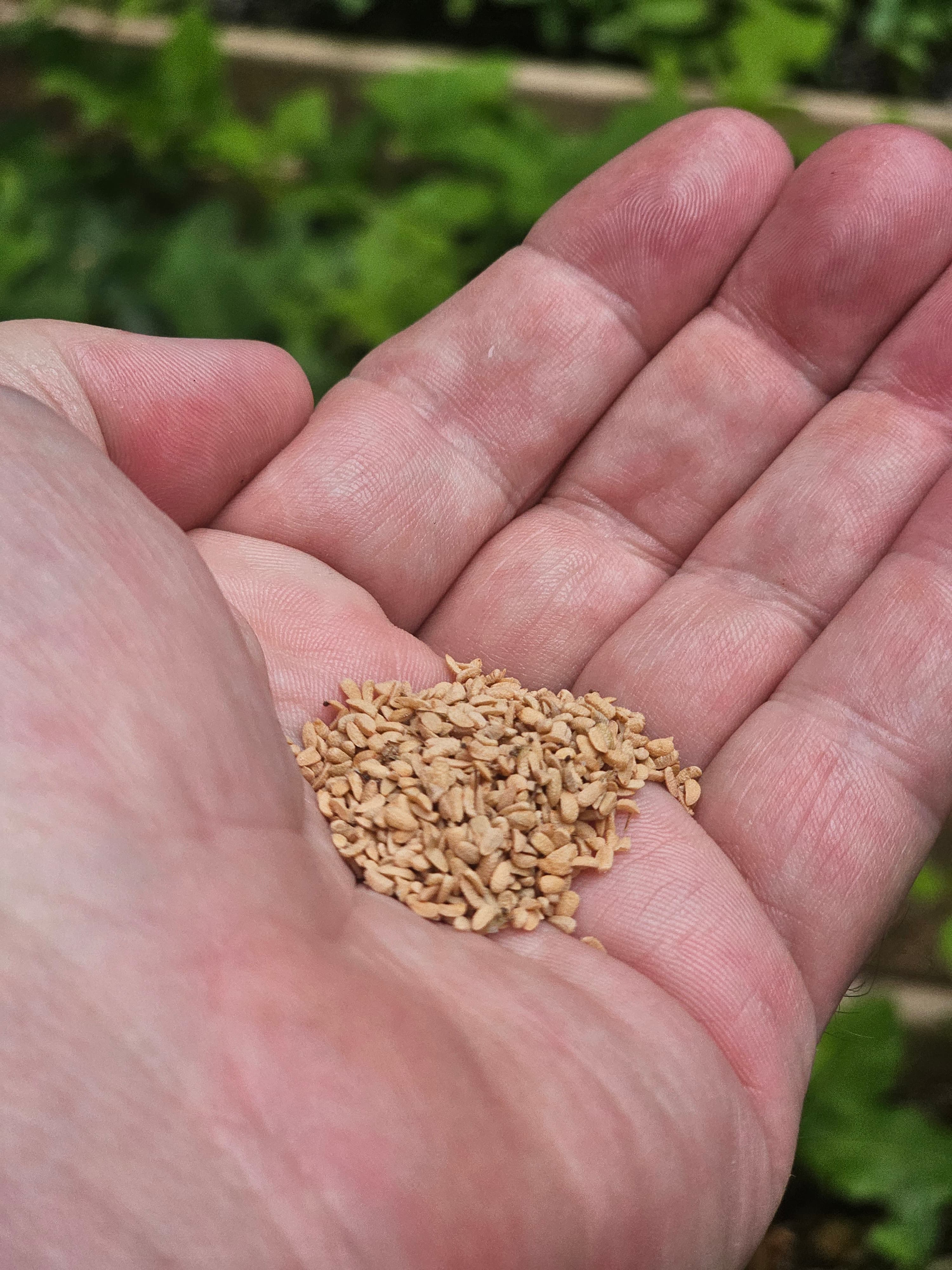
Seeds
Sambucus racemosa
Red Elderberry (Sambucus racemosa) is a cold-hardy native shrub that produces showy clusters of creamy-white flowers in spring followed by brilliant red berries in summer. It is an excellent choice for wildlife habitat, woodland edges, restoration projects, and native landscapes. The berries are highly valued by birds and other wildlife, while the flowers provide an early nectar source for native pollinators. Dense branching also creates excellent nesting and cover habitat. Seeds are responsibly wild-collected in Northeastern Pennsylvania and packaged by Base Camp North. Includes: Fresh Red Elderberry seeds Responsibly wild collected Cleaned and ready for stratification Packaged in Pennsylvania 🎁 FREE MILKWEED SEEDS WITH EVERY ORDER! Every Base Camp North order includes a FREE packet of 25 Common Milkweed Seeds (Asclepias syriaca). Help support monarch butterflies, pollinators, and native wildlife habitat—one planting at a time. No code needed. Your free seeds will automatically be included with your order.
Small-batch seed lots are gathered, cleaned, processed, and packed by Josh at Base Camp North with help from a few friends in Pennsylvania.
Pack of 100
SKU BCN-2026-REB-100
$12.99
3 available
Pack of 25
SKU BCN-2026-REB-25
$5.99
14 available
SKU BCN-2026-REB-100 · 3 available
$12.99
3 in stock
Seed packets can ship by $2 Economy Seed Mail without tracking when they fit in one envelope. Tracked USPS options are available at checkout, and up to 12 seed packets usually fit in one envelope.
Checkout runs through Stripe. Pickup and shipping options are checked before payment.
Hardiness
Zone 3
Sun
Full Sun to Part Shade
Soil
Moist, well-drained
Bloom or harvest season
Spring
Mature height
10-25 ft
Spacing
6-10 ft
Native range
North America
Wildlife value
High
Pollinator value
Moderate
Host plant information
Not Known
Red Elderberry grows naturally along woodland edges, streams, and forest openings. It establishes quickly and is an excellent choice for native hedgerows, restoration plantings, and wildlife habitat projects.
Planting or Germination Instructions Cold stratify seeds for 90–120 days in a moist medium. Plant ¼ inch deep in spring. Keep soil evenly moist during germination. Plant in full sun to partial shade. Water regularly during the first growing season.
Seeds are shipped dry and packaged for long-term storage until you're ready to begin cold stratification.
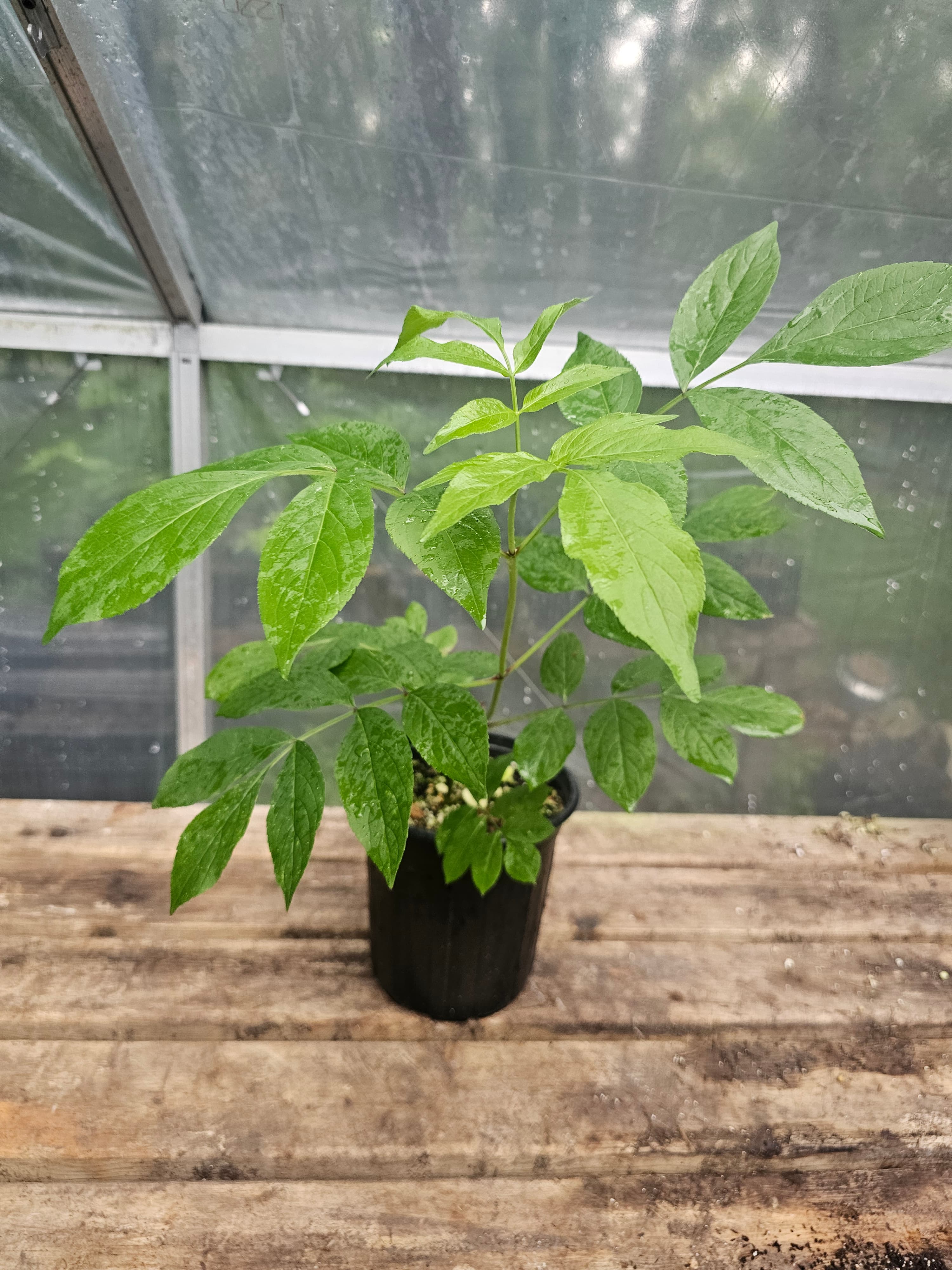
Plants
Sambucus canadensis (also recognized as Sambucus nigra subsp. canadensis)
$15
Grow one of North America’s most productive and wildlife-friendly native shrubs. American Elderberry (Sambucus canadensis) is a fast-growing native shrub valued for its large clusters of fragrant white flowers and abundant dark purple berries. It is an excellent choice for wildlife habitat, pollinator gardens, food forests, rain gardens, edible landscapes, and natural privacy screens. The flowers attract bees, butterflies, and other beneficial insects. The ripe berries are used in cooked recipes such as syrups, jams, jellies, pies, and wines. This listing is for one healthy, live American Elderberry plant grown by Base Camp North. Perfect for: Wildlife habitat Pollinator gardens Food forests Rain gardens Native landscaping Edible hedgerows Homesteads Privacy screens Important: Elderberry fruit should be fully ripe and cooked before consumption. Leaves, stems, roots, and unripe berries should not be eaten. 🎁 FREE MILKWEED SEEDS WITH EVERY ORDER! Every Base Camp North order includes a FREE packet of 25 Common Milkweed Seeds (Asclepias syriaca). Help support monarch butterflies, pollinators, and native wildlife habitat—one planting at a time. No code needed. Your free seeds will automatically be included with your order.
9 available
One Plant 12-24 inch Tall
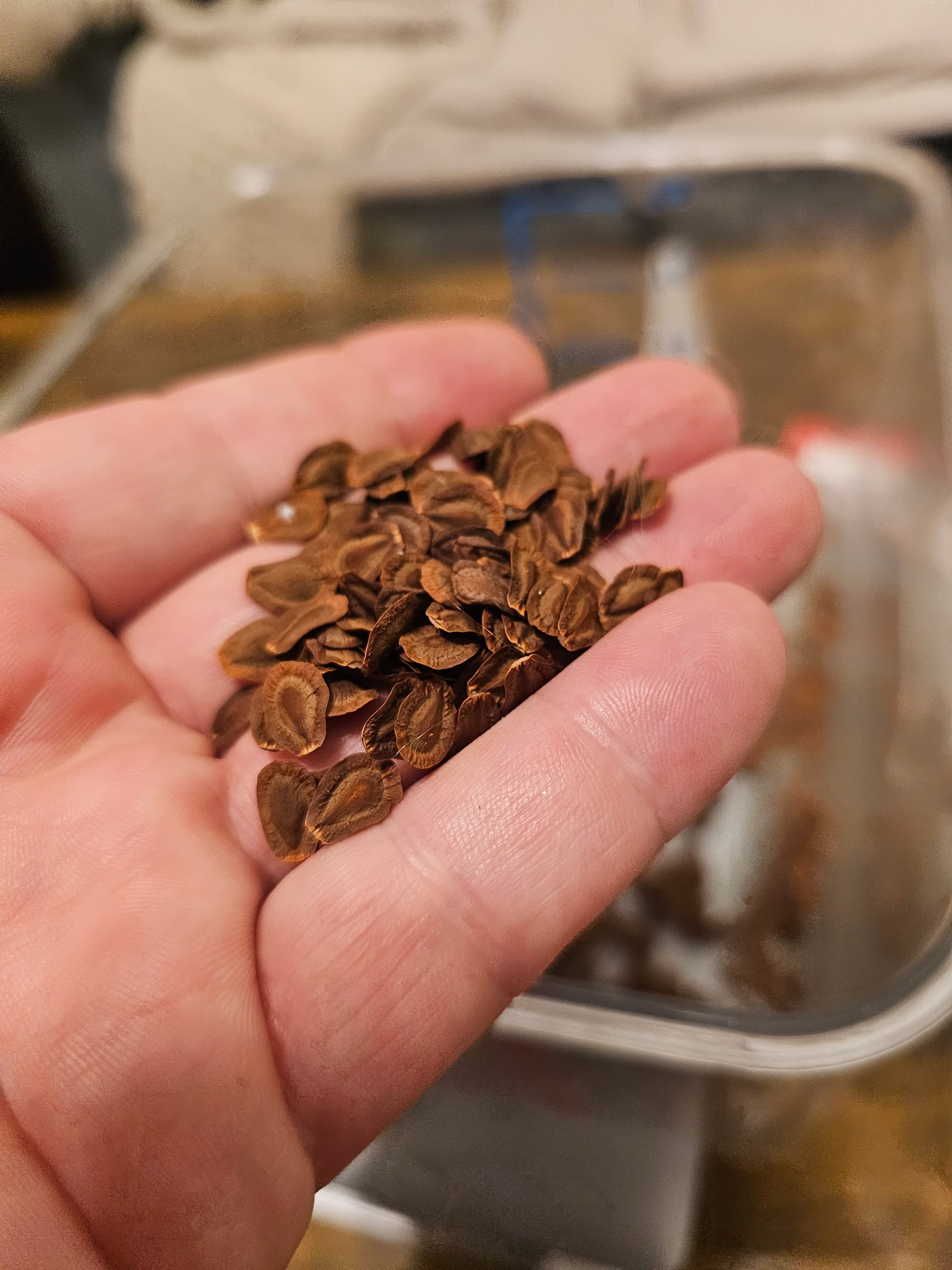
Seeds
Asclepias syriaca
$5.99
Grow Common Milkweed (Asclepias syriaca), a native perennial wildflower and an important host plant for monarch butterfly caterpillars. Common Milkweed produces clusters of fragrant pink to mauve flowers that attract a variety of pollinators. Established plants spread through underground rhizomes and can develop into colonies, making the species particularly useful for larger native gardens, meadow plantings, pollinator habitat, and wildlife areas. Milkweed is an important component of monarch habitat because monarch caterpillars feed on milkweed plants. Seed Details: - Common Milkweed (Asclepias syriaca) - 2026 harvest - Cleaned and processed by Base Camp North - Untreated seeds - Seed-grown plants may naturally vary - Sold for propagation Growing Information: Common Milkweed seed generally benefits from cold, moist stratification before spring planting. Seeds can also be fall-sown outdoors where natural winter conditions provide stratification. Common Milkweed can spread once established and should be planted where its colony-forming growth habit is appropriate. No specific germination percentage is guaranteed. Seeds are sold for propagation and are not intended for consumption. 🎁 FREE MILKWEED SEEDS WITH EVERY ORDER! Every Base Camp North order includes a FREE packet of 25 Common Milkweed Seeds (Asclepias syriaca). Help support monarch butterflies, pollinators, and native wildlife habitat—one planting at a time. No code needed. Your free seeds will automatically be included with your order.
Gathered, processed, and packed by Base Camp North.
25 available
2 options
Plants
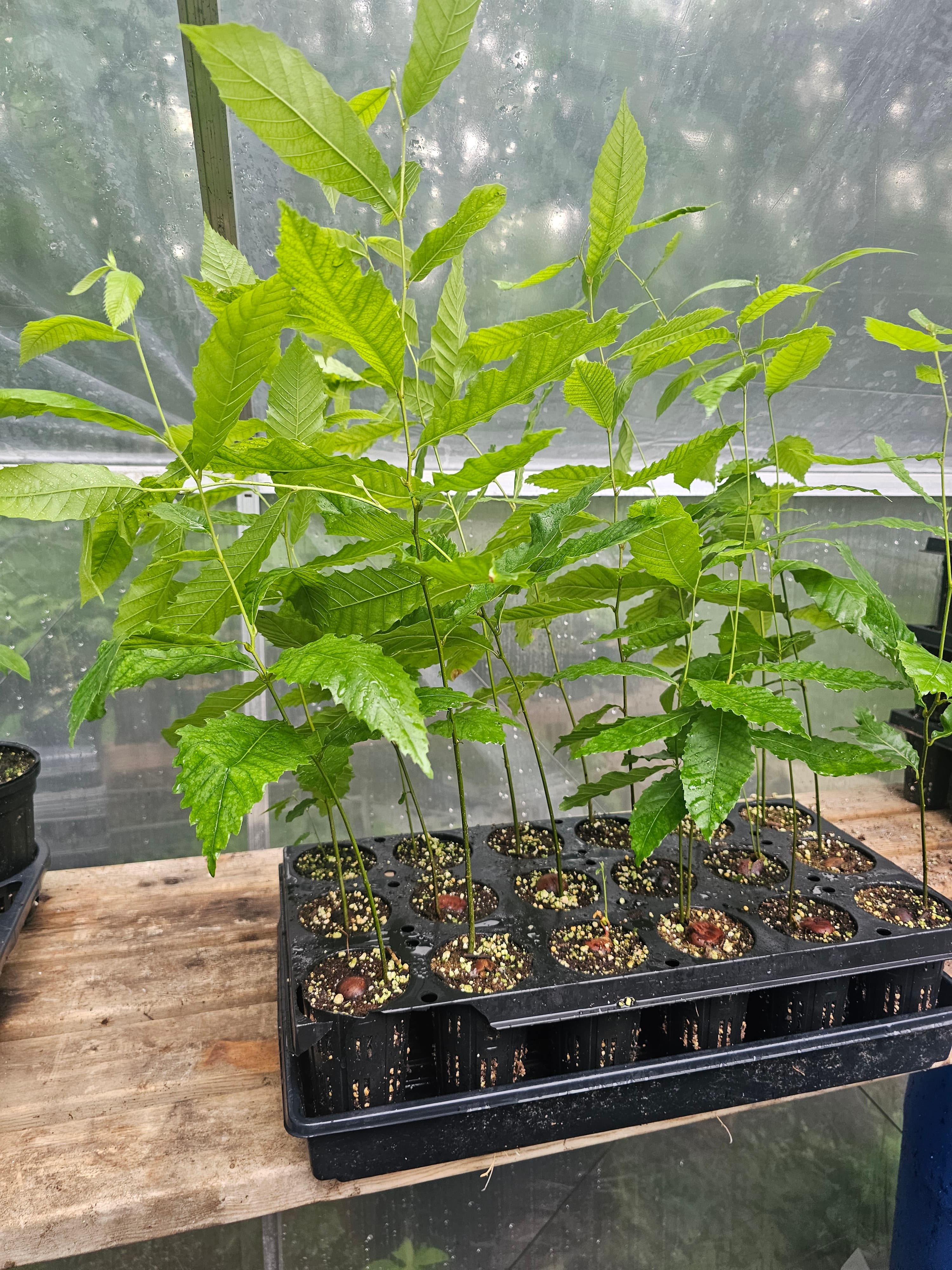
Castanea mollissima
$18
Grow your own large, sweet chestnuts with these healthy Korean XL Chestnut seedlings from Base Camp North. Each tree is grown from quality seed in deep Anderson propagation trays, producing a strong, straight root system that establishes quickly after planting. These vigorous seedlings are an excellent choice for homesteads, orchards, wildlife food plots, food forests, and long-term landscape plantings. Korean XL Chestnuts are known for producing large edible nuts enjoyed by people and wildlife alike. Mature trees provide seasonal shade, valuable wildlife habitat, and dependable annual nut production. Whether you're planting a single tree or starting a chestnut orchard, these container-grown seedlings are ready to thrive. Features Large Korean XL edible chestnut variety Healthy container-grown seedlings Grown in deep Anderson propagation trays Strong, straight root development Large edible chestnuts Excellent wildlife food source Fast-growing shade tree Cold hardy Easy to transplant Ideal for orchards, food forests, and homesteads Perfect For Homesteads Wildlife food plots Deer and turkey habitat Food forests Nut orchards Shade trees Reforestation projects 🎁 FREE MILKWEED SEEDS WITH EVERY ORDER! Every Base Camp North order includes a FREE packet of 25 Common Milkweed Seeds (Asclepias syriaca). Help support monarch butterflies, pollinators, and native wildlife habitat—one planting at a time. No code needed. Your free seeds will automatically be included with your order.
10 available
3 options