Base Camp NorthNative nursery and seedsCart
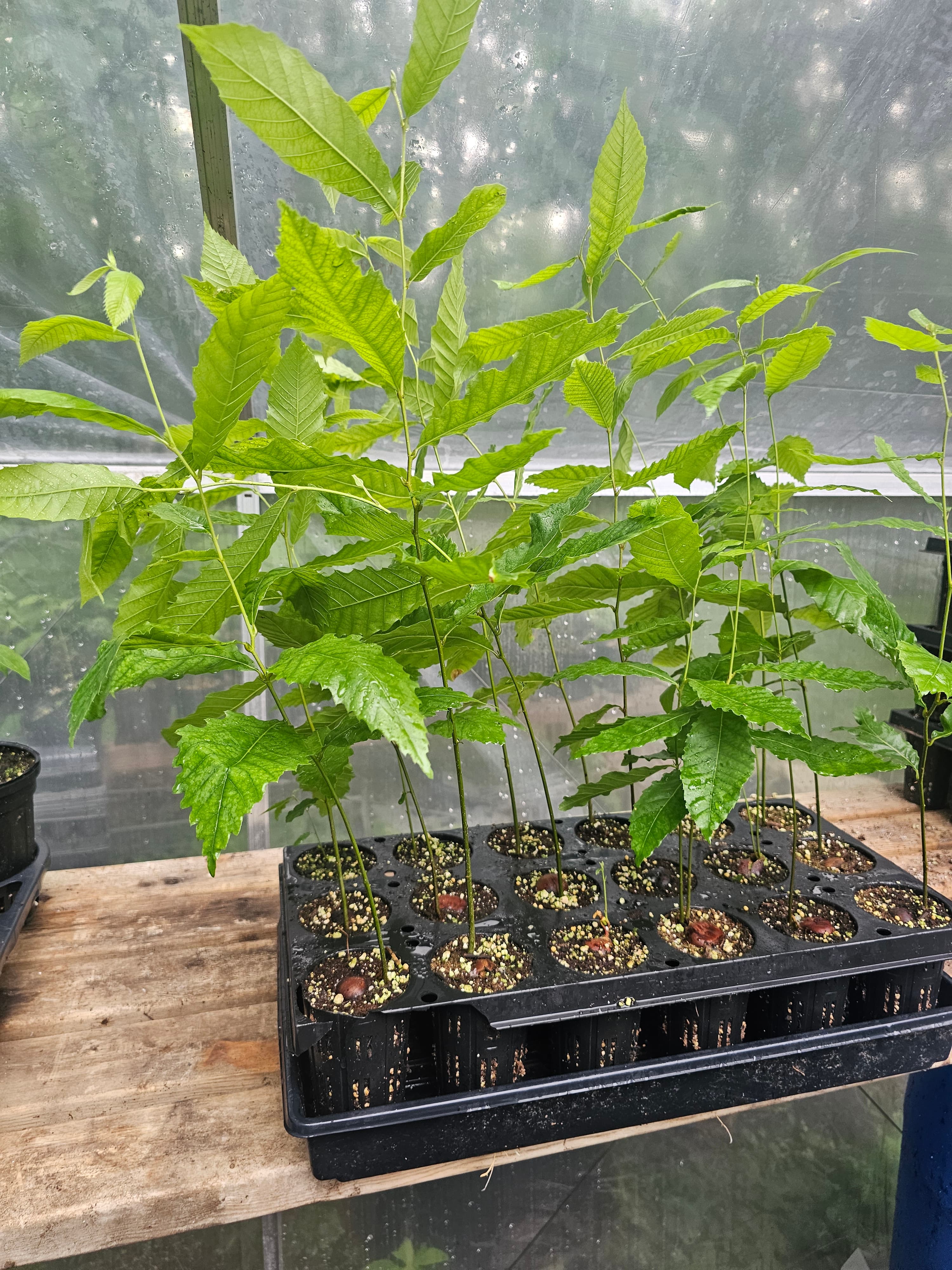
Korean XL Chestnut Tree seedling

Plants

Korean XL Chestnut Tree

Castanea mollissima

Grow your own large, sweet chestnuts with these healthy Korean XL Chestnut seedlings from Base Camp North. Each tree is grown from quality seed in deep Anderson propagation trays, producing a strong, straight root system that establishes quickly after planting. These vigorous seedlings are an excellent choice for homesteads, orchards, wildlife food plots, food forests, and long-term landscape plantings. Korean XL Chestnuts are known for producing large edible nuts enjoyed by people and wildlife alike. Mature trees provide seasonal shade, valuable wildlife habitat, and dependable annual nut production. Whether you're planting a single tree or starting a chestnut orchard, these container-grown seedlings are ready to thrive. Features Large Korean XL edible chestnut variety Healthy container-grown seedlings Grown in deep Anderson propagation trays Strong, straight root development Large edible chestnuts Excellent wildlife food source Fast-growing shade tree Cold hardy Easy to transplant Ideal for orchards, food forests, and homesteads Perfect For Homesteads Wildlife food plots Deer and turkey habitat Food forests Nut orchards Shade trees Reforestation projects

Available options

5 Korean XL Chestnut Trees — Save $10

SKU 4534080

$50

5 available

Full Tray (18 Trees) — Save $72

SKU 366339

$198

2 available

One (1) Korean XL Chestnut Tree

SKU 453407925

$15

32 available

SKU 4534080 · 5 available

$50.00

5 in stock

Checkout runs through Stripe. Pickup and shipping options are checked before payment.

Growing information

Hardiness

Zone 4

Sun

Full Sun

Soil

Well-drained

Bloom or harvest season

Summer

Mature height

40-60 ft

Spacing

30-40 ft

Native range

Non-native

Wildlife value

High

Pollinator value

Moderate

Host plant information

Not Known

Growing notes

Korean XL Chestnut is a vigorous edible chestnut seedling for orchards, homesteads, food forests, and wildlife plantings. Plant in full sun with well-drained soil and protect young trees from deer and rodent damage while they establish. Chestnuts are wind-pollinated and generally need another compatible chestnut nearby for reliable nut production. Space trees with room for a broad mature canopy and keep grass and weeds down around young seedlings during the first few seasons.

Planting or germination instructions

Plant your chestnut tree in full sun in well-drained soil. Dig a hole wide enough to spread the roots naturally and plant at the same depth the tree was previously growing. Backfill with native soil, water thoroughly, and apply 2–3 inches of mulch around the tree, keeping mulch a few inches away from the trunk. Water regularly during the first growing season, especially during dry periods, to help establish a strong root system. Once established, chestnut trees are relatively drought tolerant. For reliable nut production, plant at least two genetically different compatible chestnut trees within approximately 50–200 feet of each other. Chestnuts are not self-fertile and require pollen from another compatible tree to produce a good crop of nuts. Protect young trees from deer browsing and rodent damage during the first few years, and keep grass and weeds away from the base to reduce competition for water and nutrients.

Related products

Back to shop
American Elderberry live plant

Plants

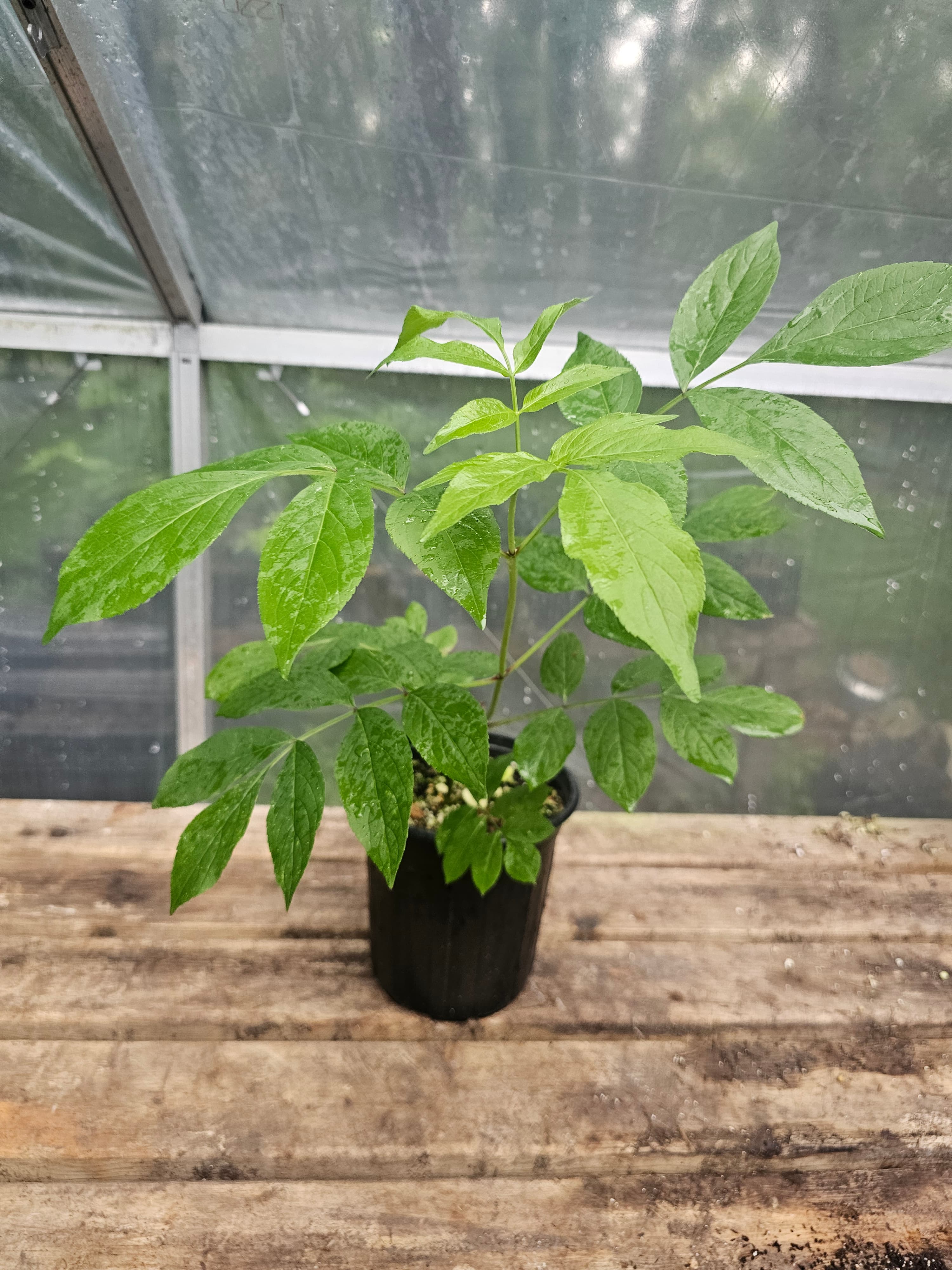
American Elderberry (Sambucus canadensis) – Live Plant

Sambucus canadensis (also recognized as Sambucus nigra subsp. canadensis)

$15

Grow one of North America’s most productive and wildlife-friendly native shrubs. American Elderberry (Sambucus canadensis) is a fast-growing native shrub valued for its large clusters of fragrant white flowers and abundant dark purple berries. It is an excellent choice for wildlife habitat, pollinator gardens, food forests, rain gardens, edible landscapes, and natural privacy screens. The flowers attract bees, butterflies, and other beneficial insects. The ripe berries are used in cooked recipes such as syrups, jams, jellies, pies, and wines. This listing is for one healthy, live American Elderberry plant grown by Base Camp North. Perfect for: Wildlife habitat Pollinator gardens Food forests Rain gardens Native landscaping Edible hedgerows Homesteads Privacy screens Important: Elderberry fruit should be fully ripe and cooked before consumption. Leaves, stems, roots, and unripe berries should not be eaten.

9 available

One Plant 12-24 inch Tall

Beach Plum (Prunus maritima) Seeds

Seeds

Beach Plum (Prunus maritima) Seeds

Prunus maritima

$5

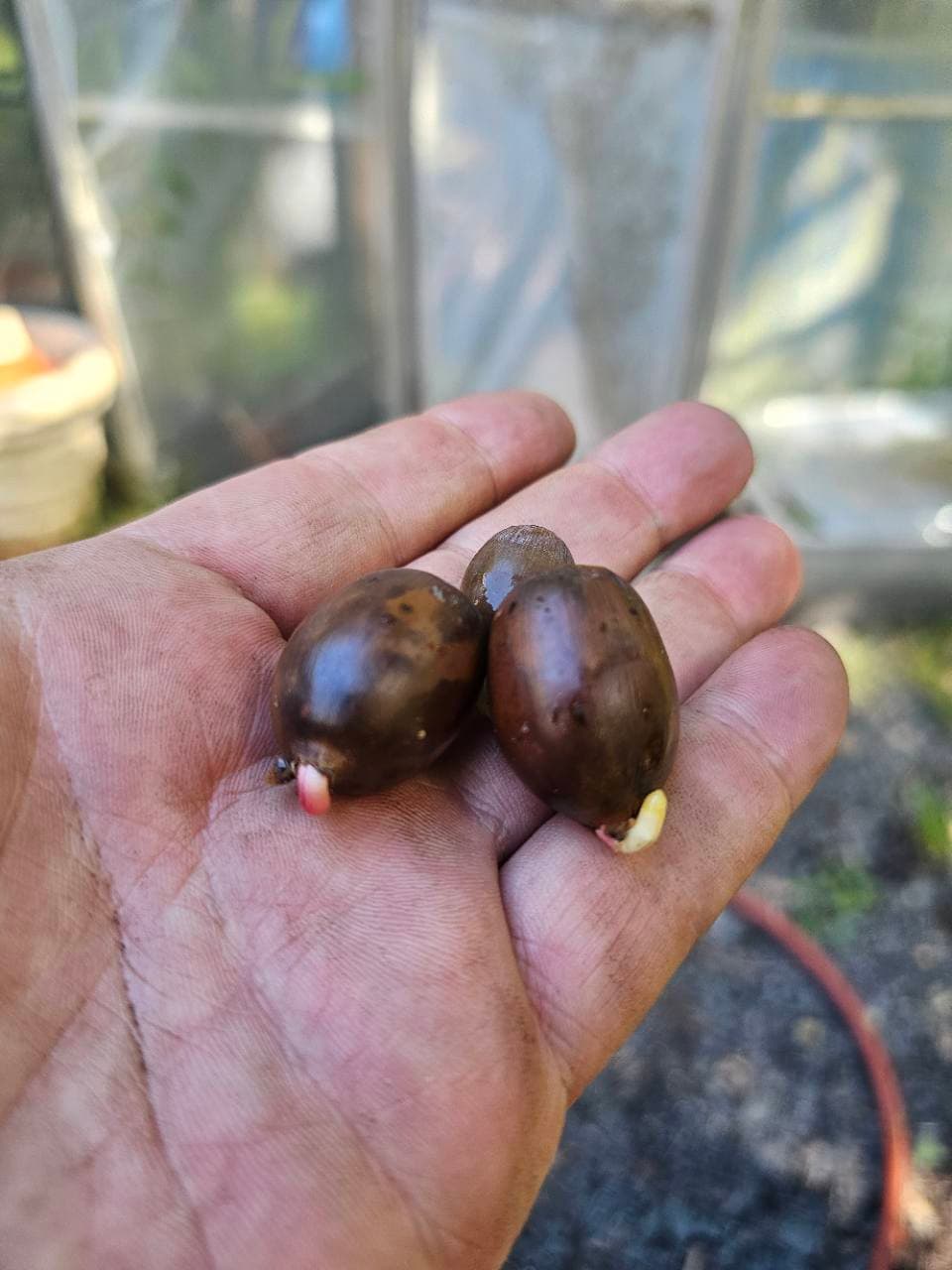
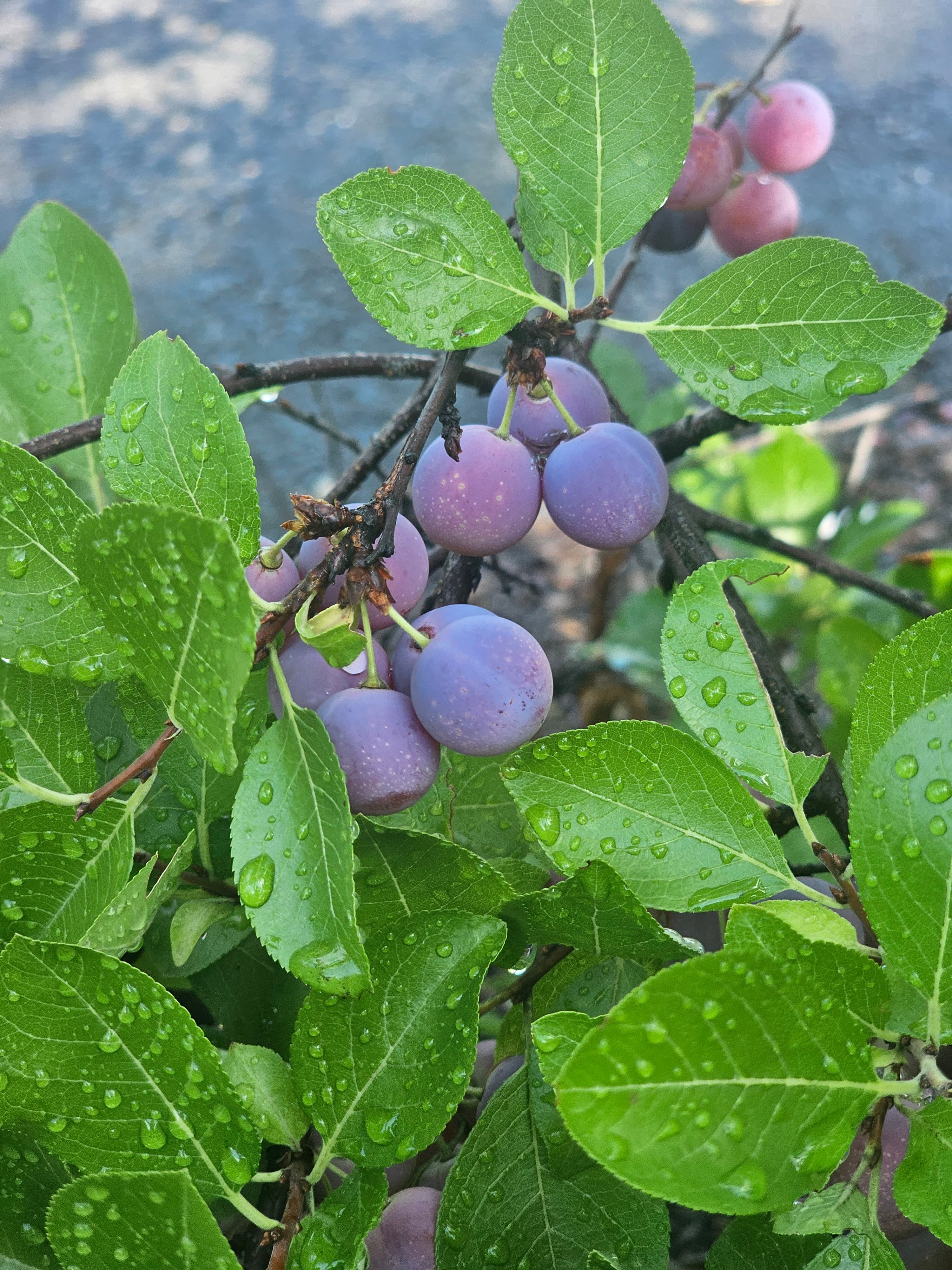
Each packet contains 15 hand-collected Beach Plum (Prunus maritima) seeds. Grow one of the East Coast's most unique native fruiting shrubs. Beach Plum (Prunus maritima) is a hardy native shrub found along coastal dunes and sandy habitats from Maine to Maryland. In late summer it produces small, flavorful plums that are prized for jams, jellies, wines, and fresh eating. Beyond the fruit, Beach Plum provides outstanding wildlife habitat, beautiful spring blossoms for pollinators, and excellent erosion control. It is highly tolerant of wind, salt spray, drought, and poor sandy soils, making it an excellent choice for difficult planting sites. Our seeds are responsibly collected in Pennsylvania and cleaned by hand. Perfect for: Wildlife habitat Native landscaping Food forests Homesteads Pollinator gardens Coastal restoration Hedgerows Edible landscapes

Gathered, processed, and packed by Base Camp North.

3 available

Pack of 25